Sensorium
TRANSFORMING A FORGOTTEN COLONIAL CEMETERY INTO A SENSORY JOURNEY THROUGH NATURE WHERE LIFE IS CELEBRATED, THE DEPARTED REMEMBERED AND HISTORY PRESERVED





THE PINES CEMETERY
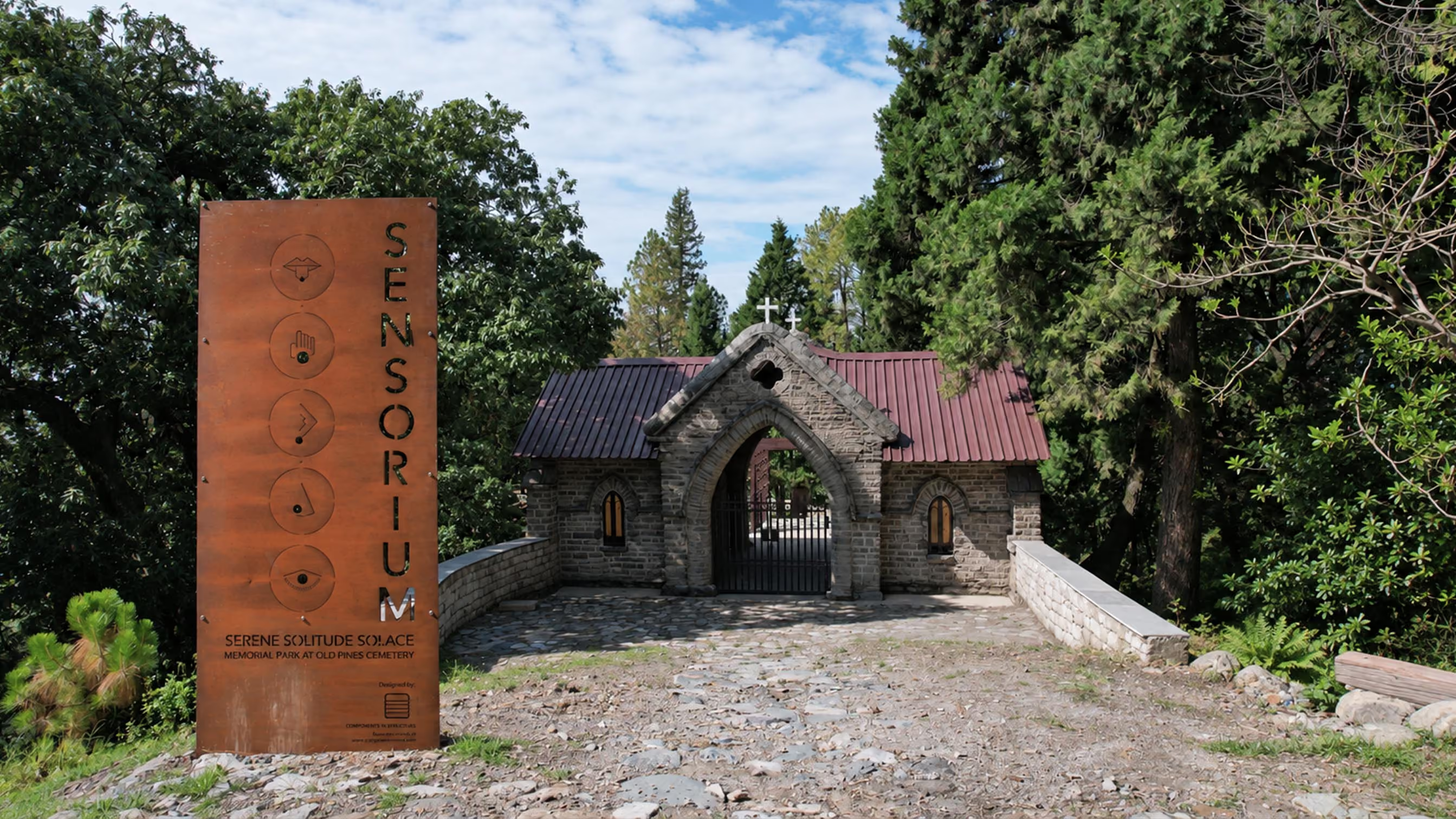
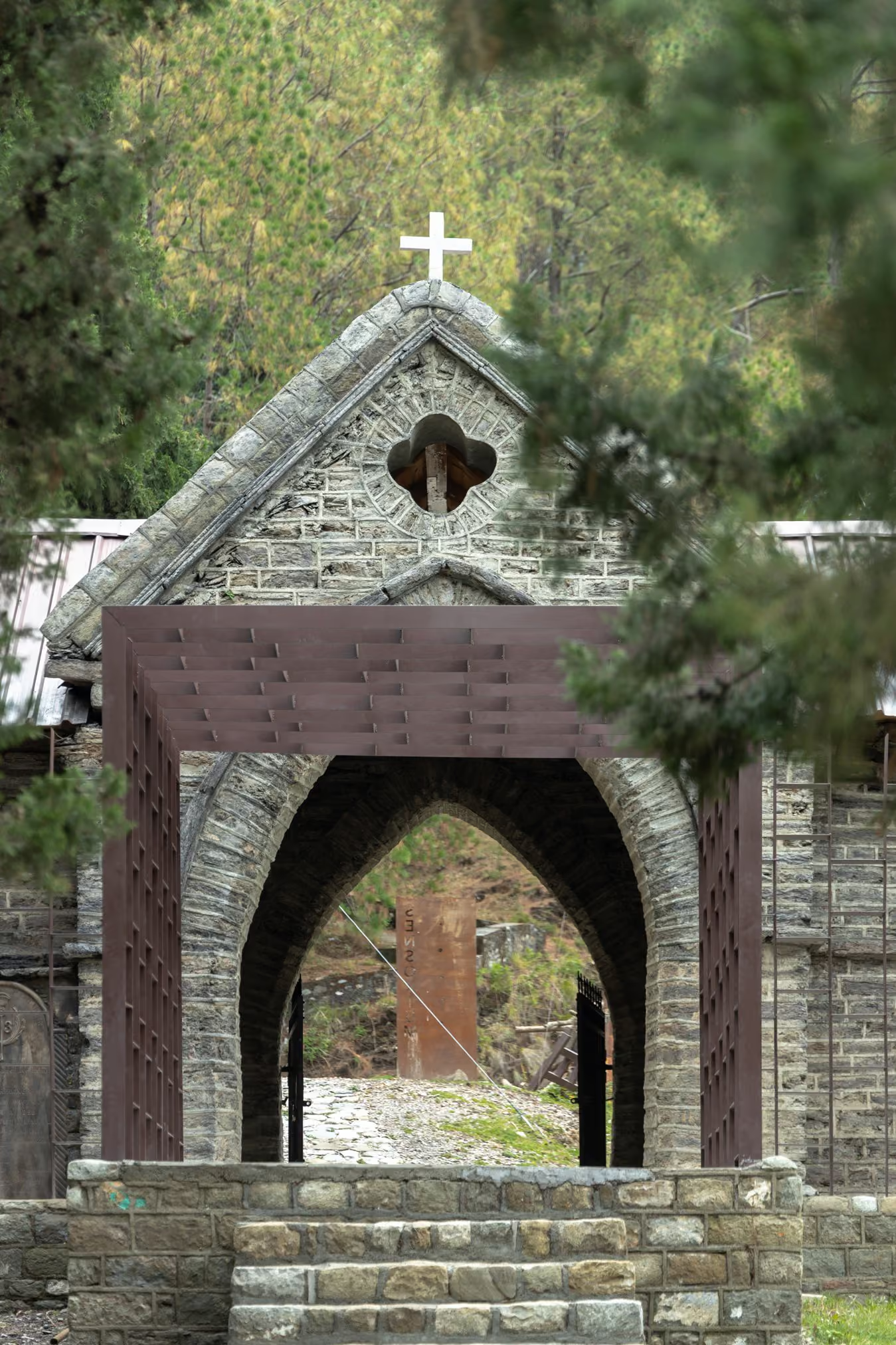
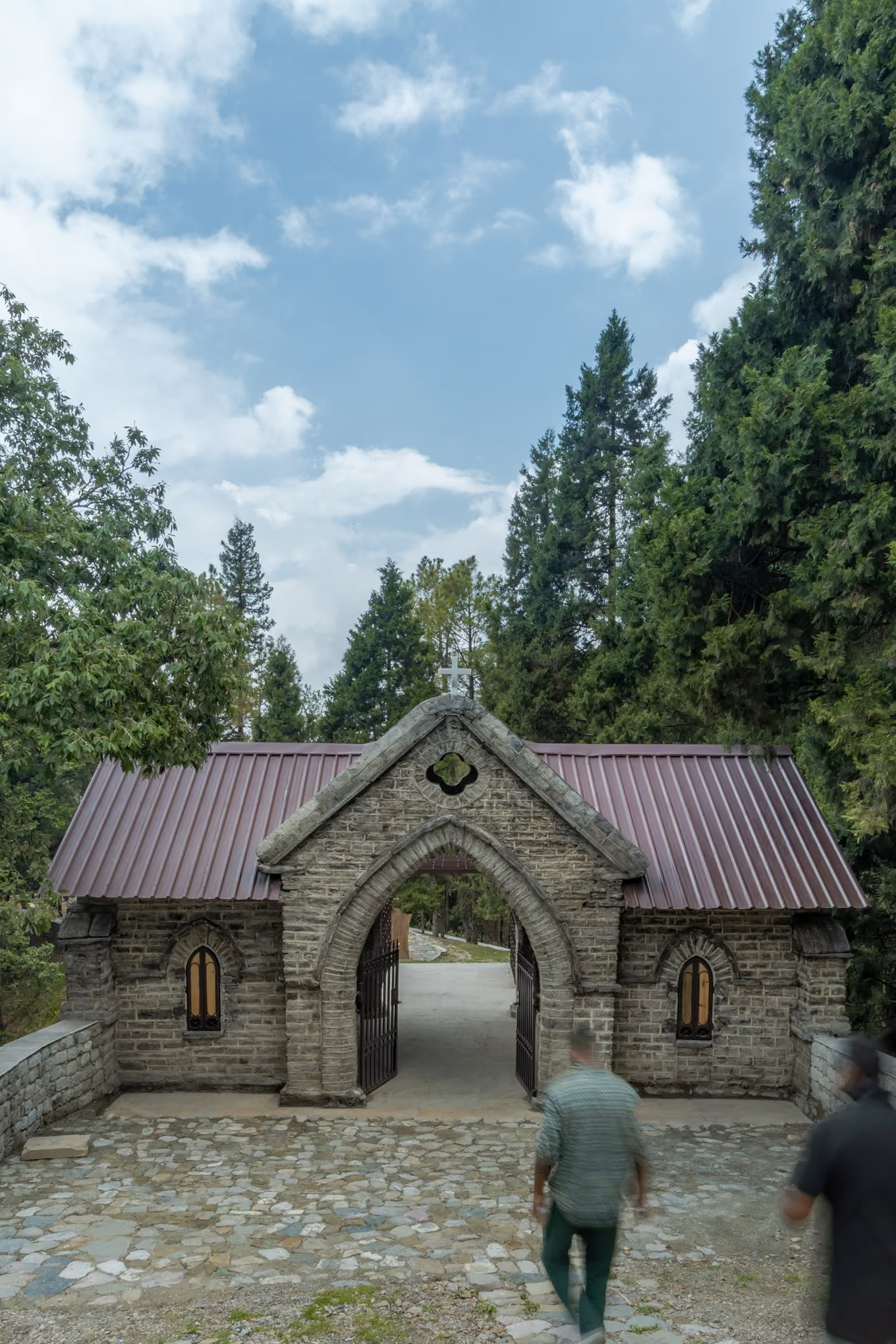
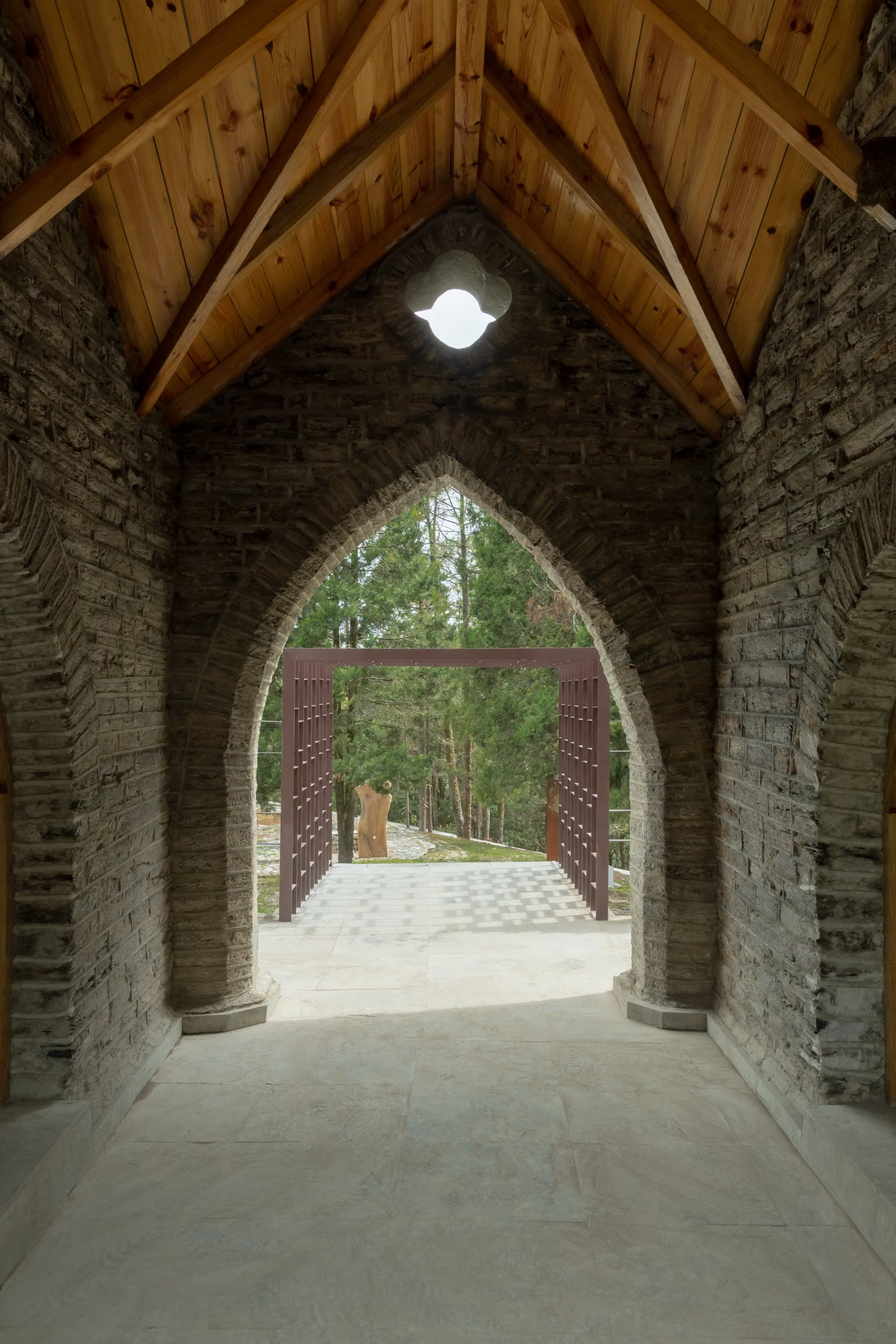
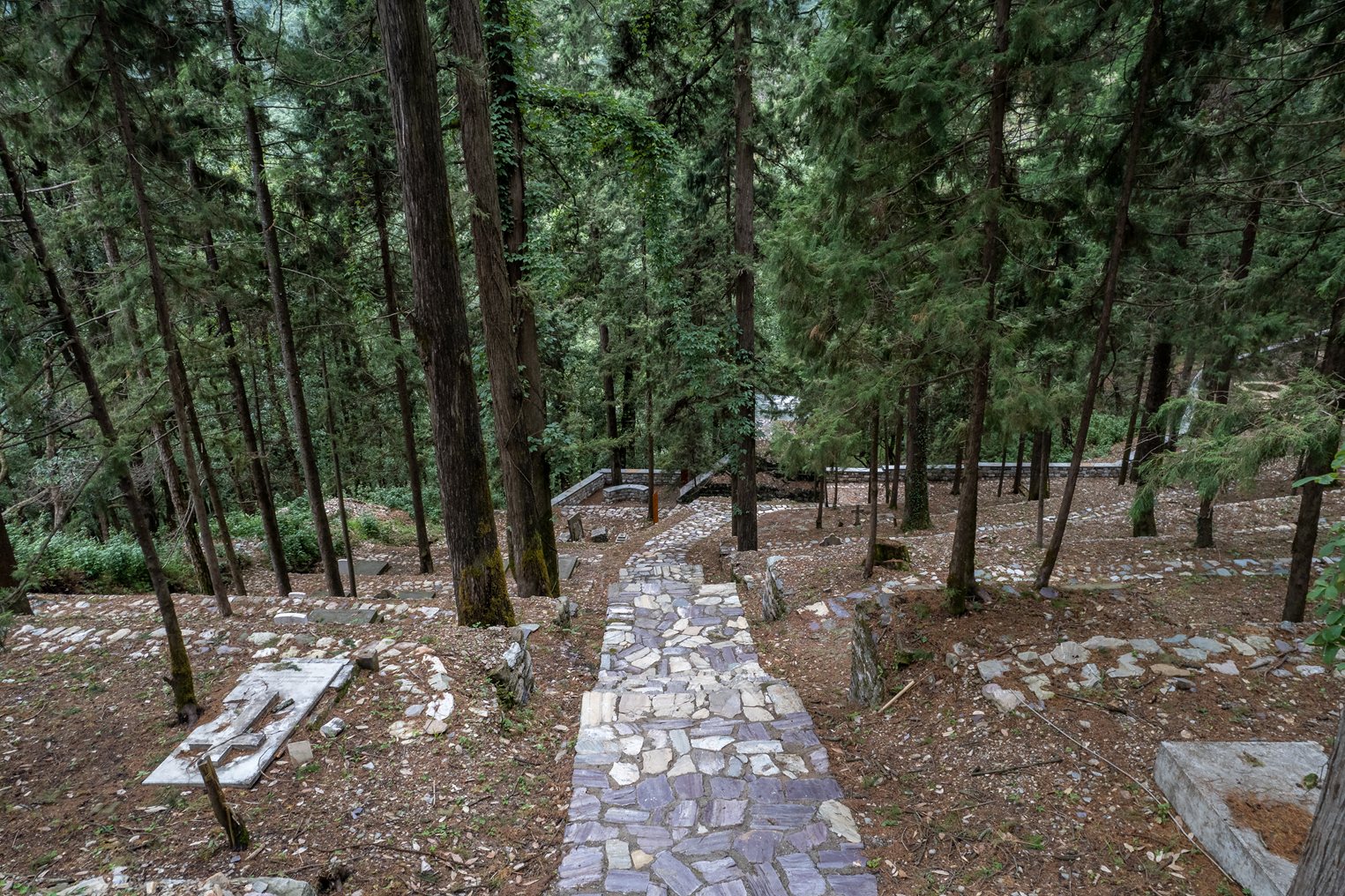
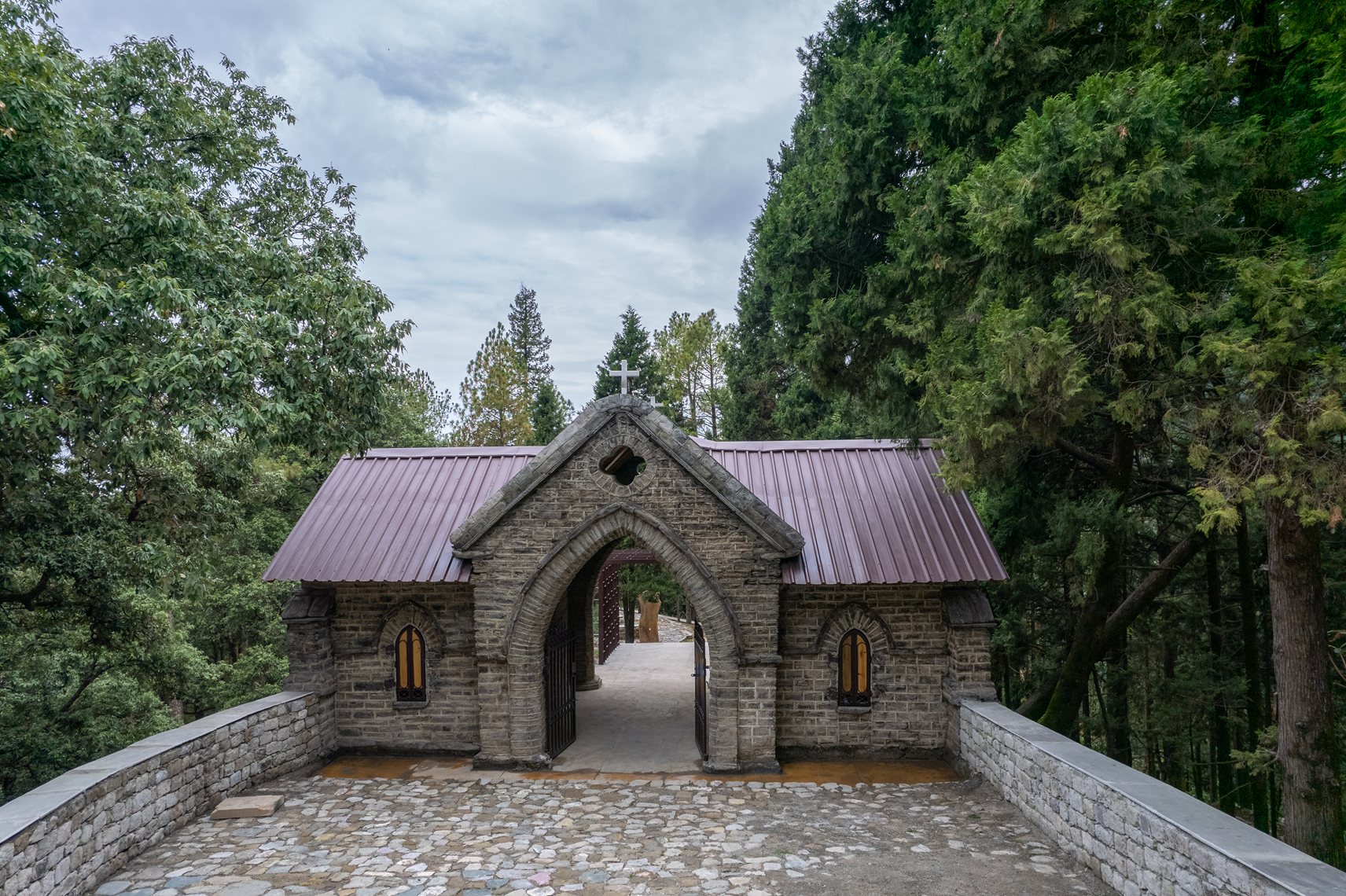
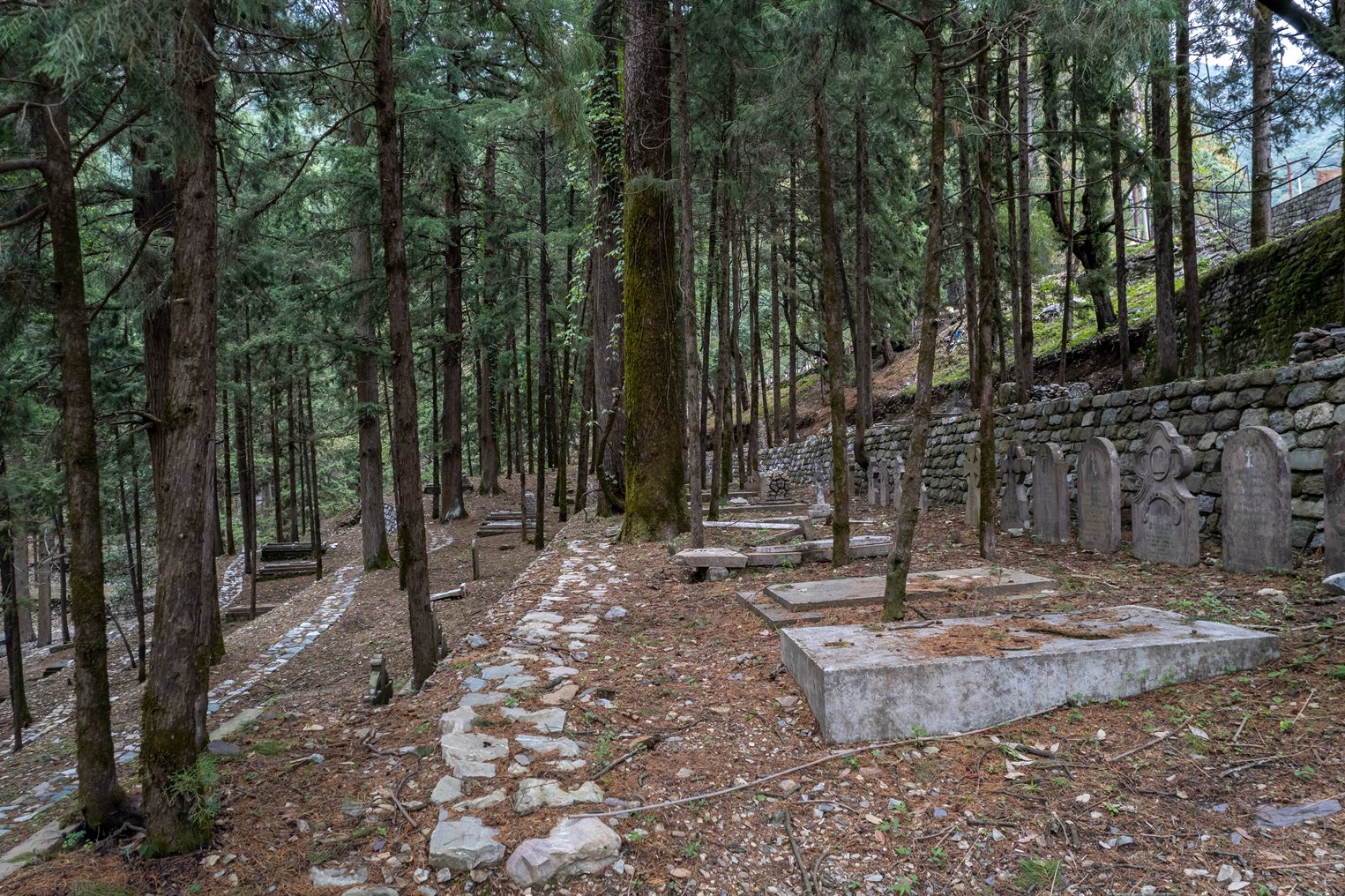
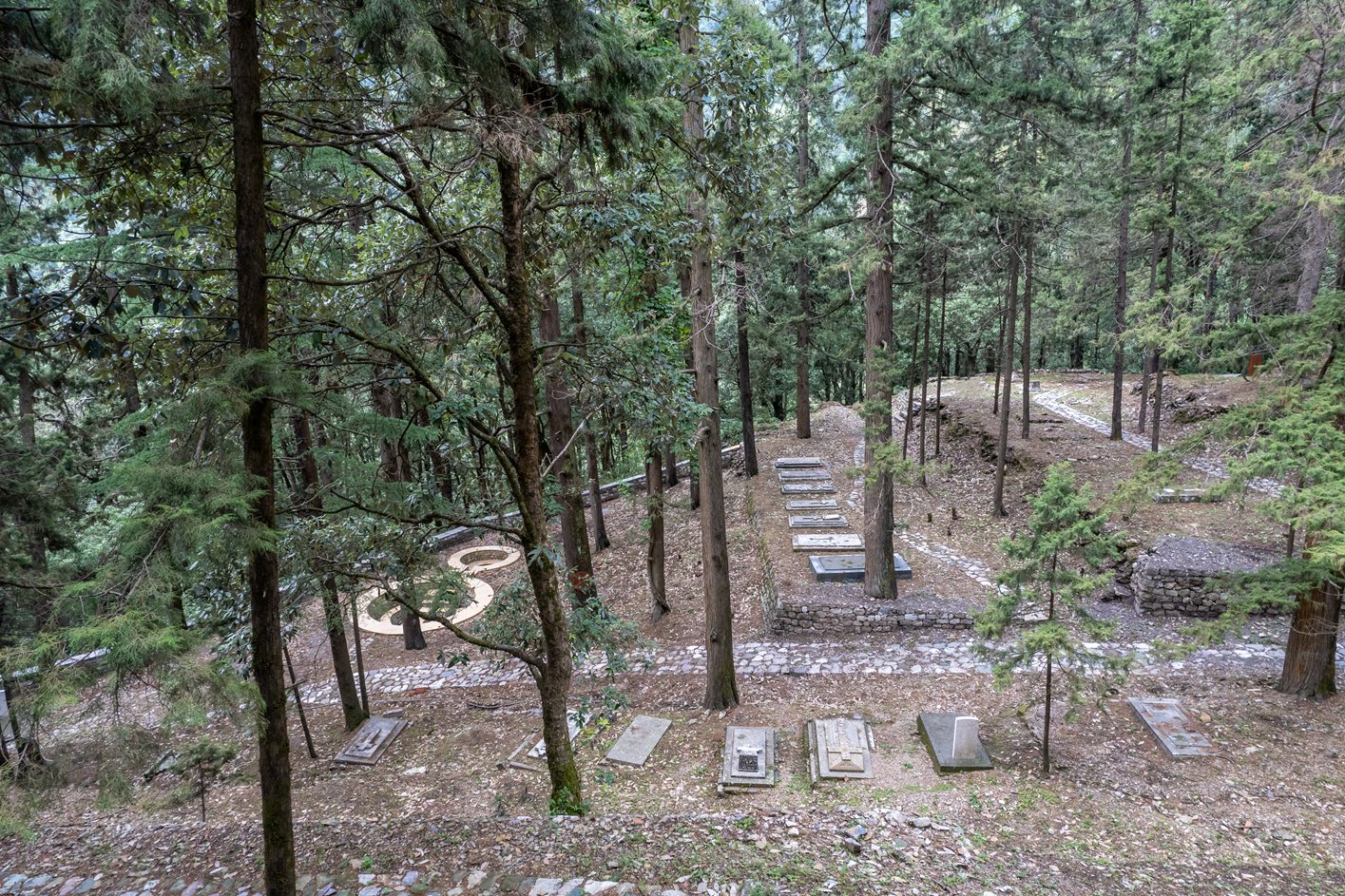
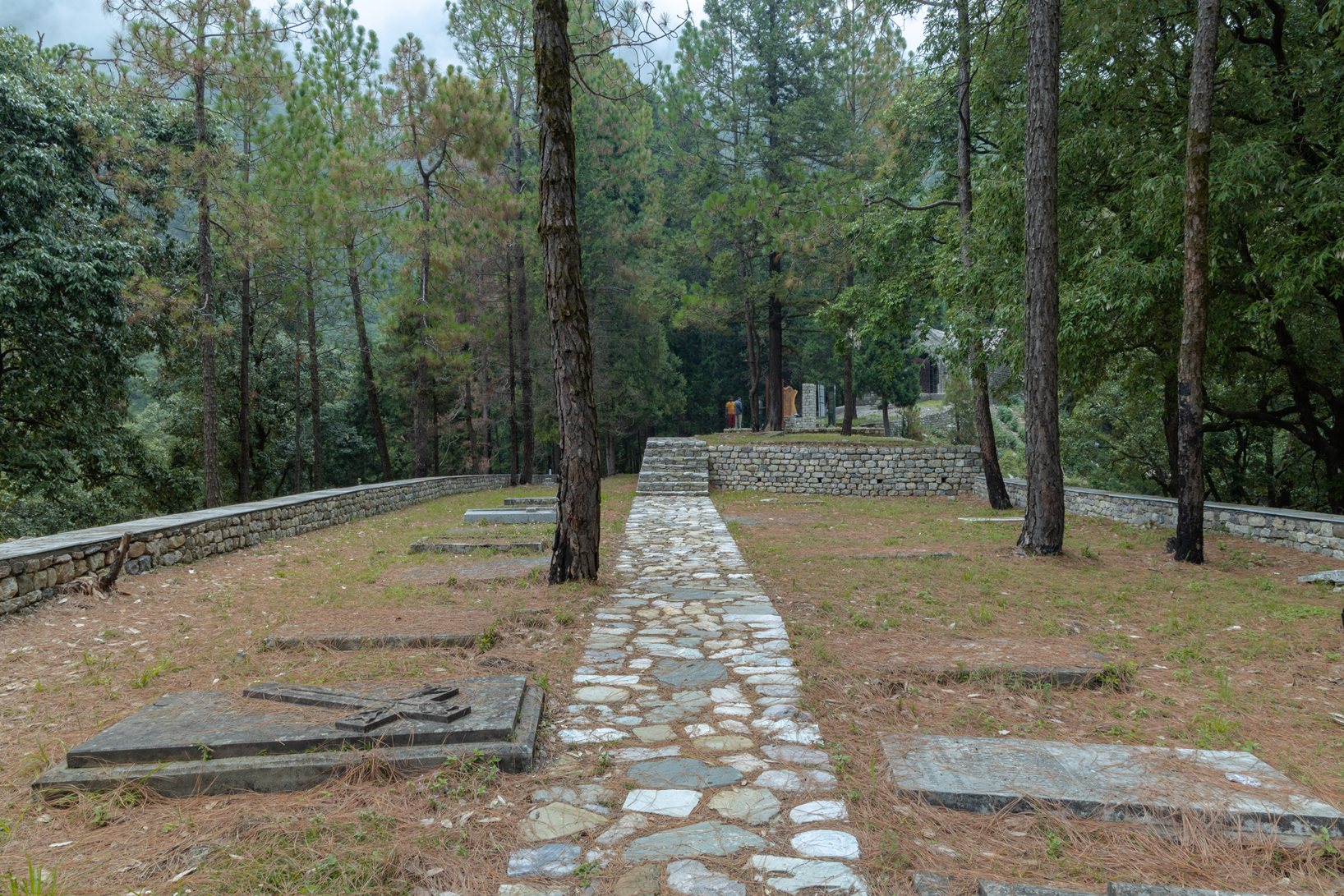
Nestled within the pine and deodar forests of Nainital, the site is a British cemetery dating back to the 1850s. The cemetery is believed to hold victims of Nainital’s 18th-century floods and individuals associated with World War I. Over time, dense vegetation and neglect concealed its graves, architectural remnants and forgotten histories. With several unmarked burials and limited historical records, the cemetery remained a landscape of unanswered questions. The project sought to revive this neglected heritage while preserving its ecological richness, historical significance and the quiet dignity of a place associated with remembrance.
RECLAIMING FORGOTTEN PUBLIC SPACES
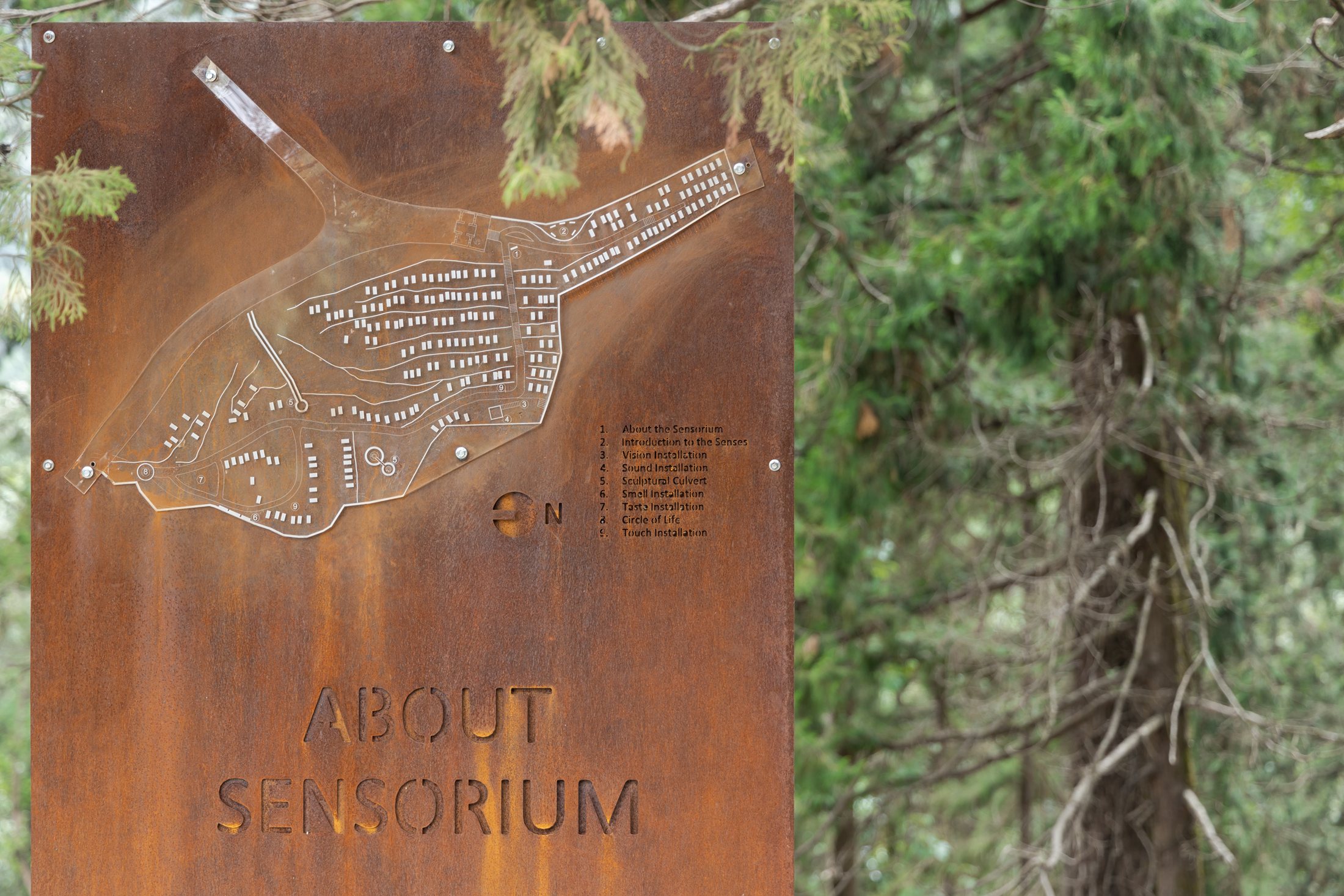
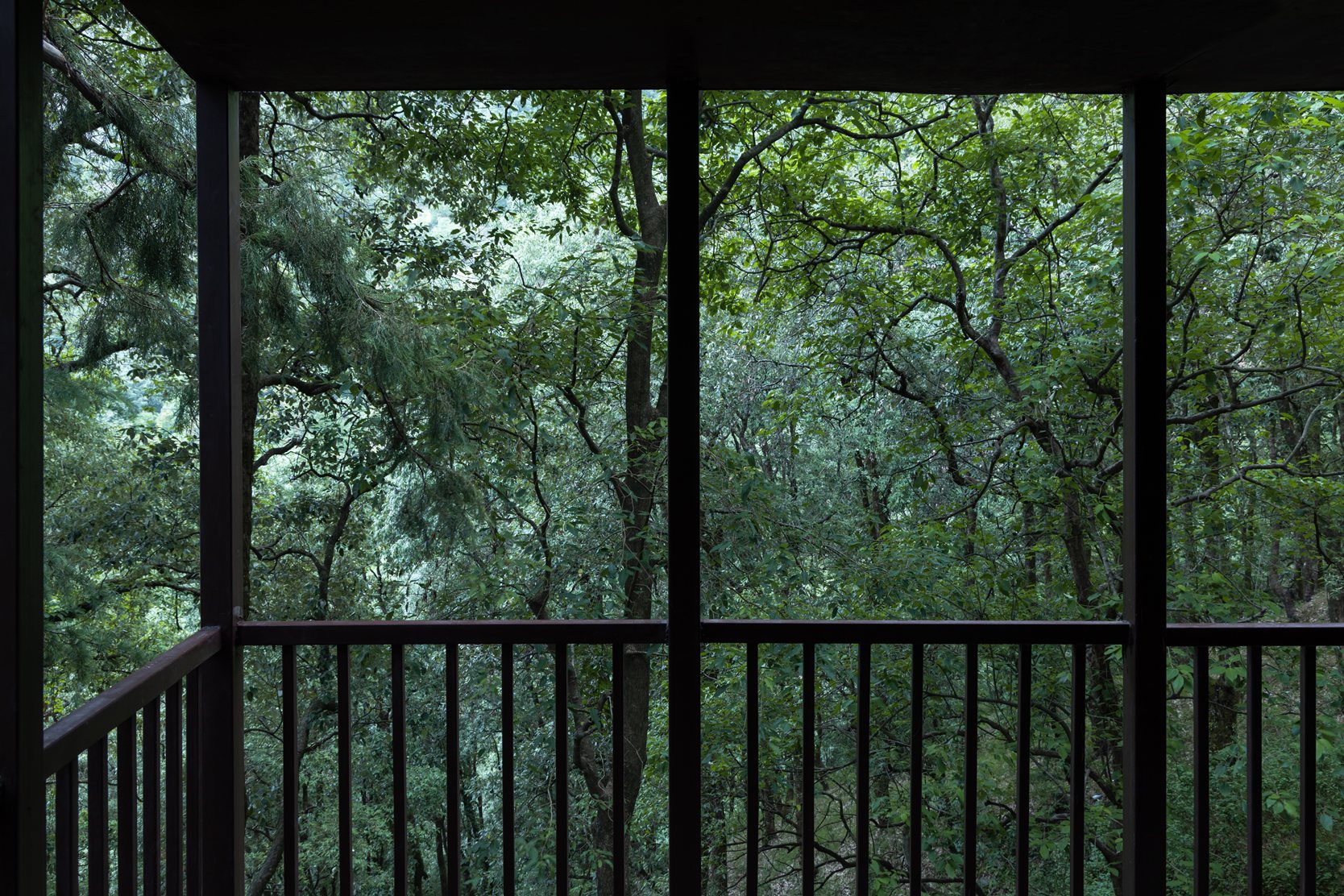
Sensorium explores the potential of reviving neglected and defunct spaces into meaningful public environments. Rather than introducing an entirely new programme, the intervention recognised value of an abandoned cemetery and transforms it into an accessible landscape for the visitors. Sensorium was conceived as a journey to experience the Himalayas through the five human senses. Amidst towering trees, whispering winds, fresh mountain air and an untouched forest landscape, the park invites visitors to mourn the departed while celebrating the gift of being alive. A series of sensory installations transforms the cemetery into an immersive experience, encouraging visitors to see, hear, smell, touch and taste the natural world around them.
STORIES THROUGH THE SENSES
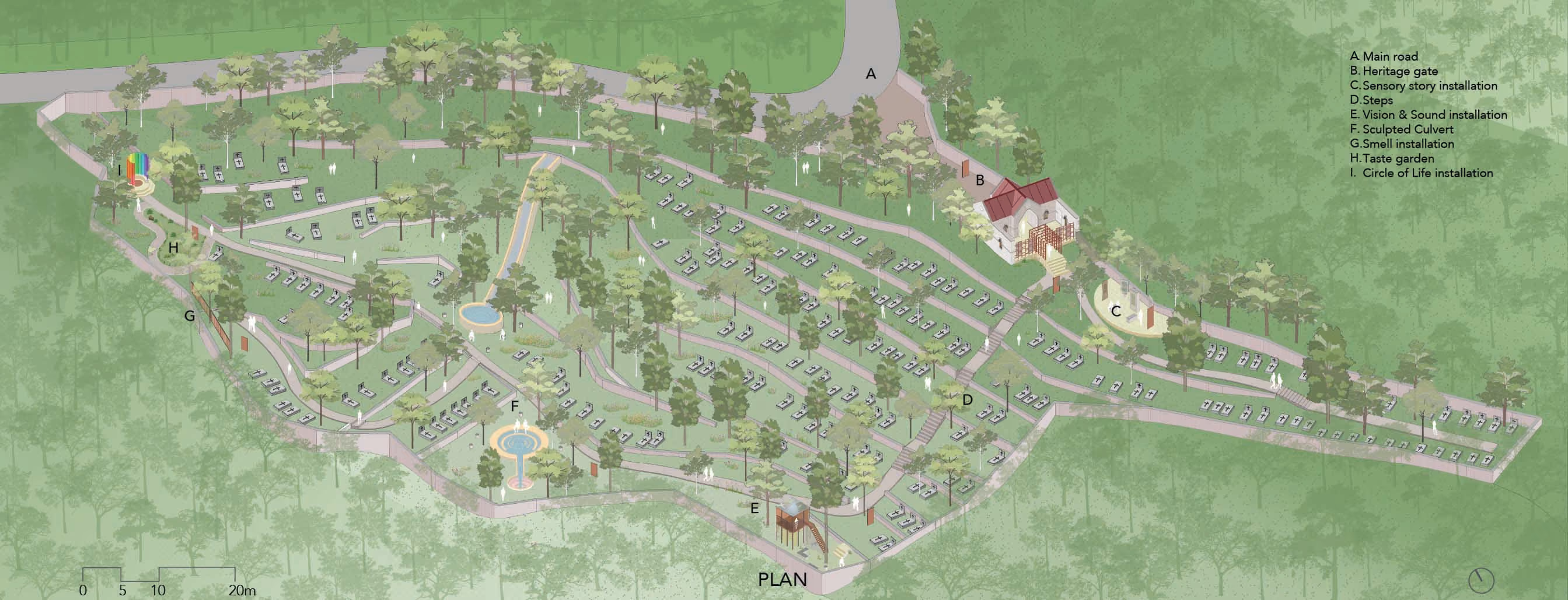
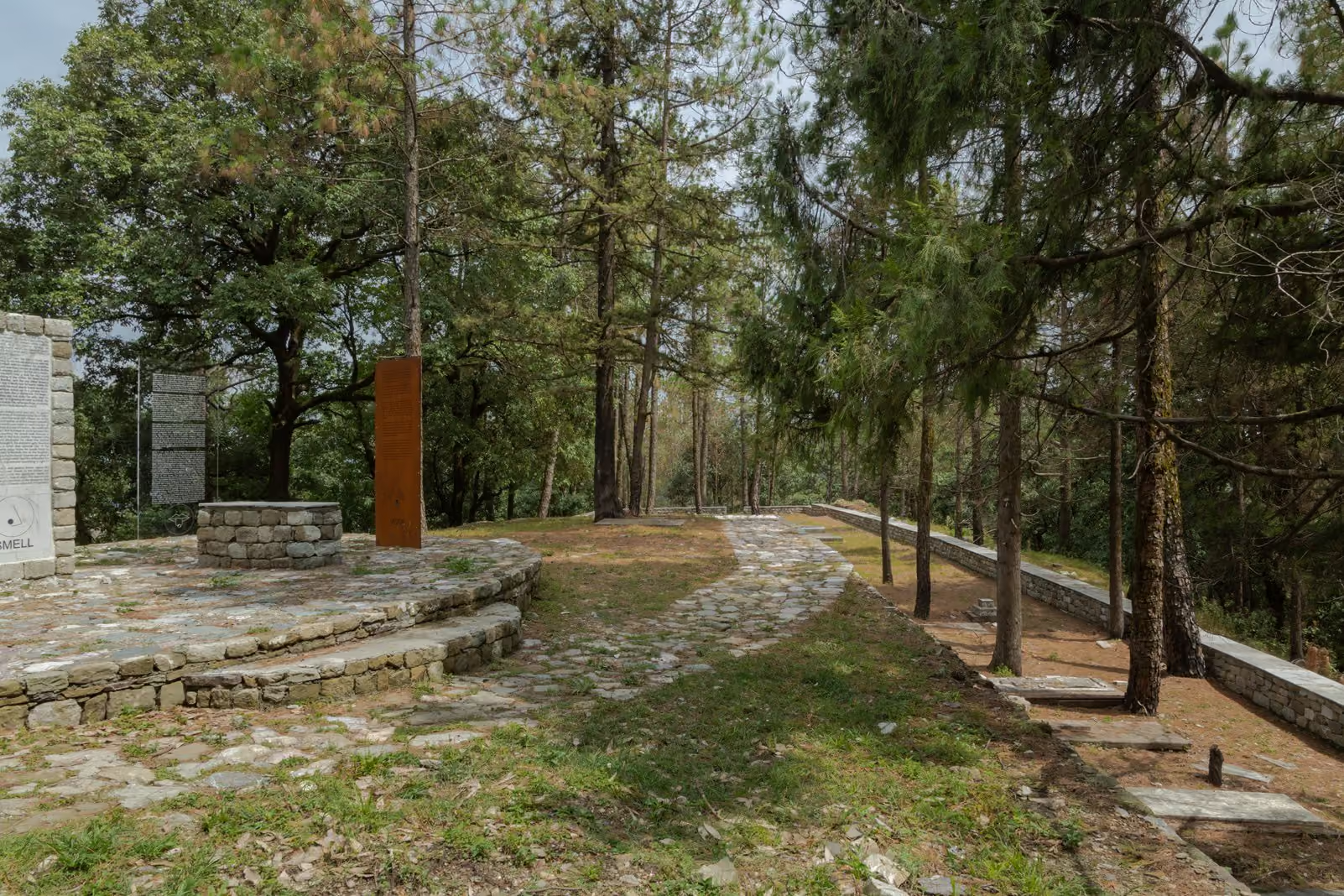
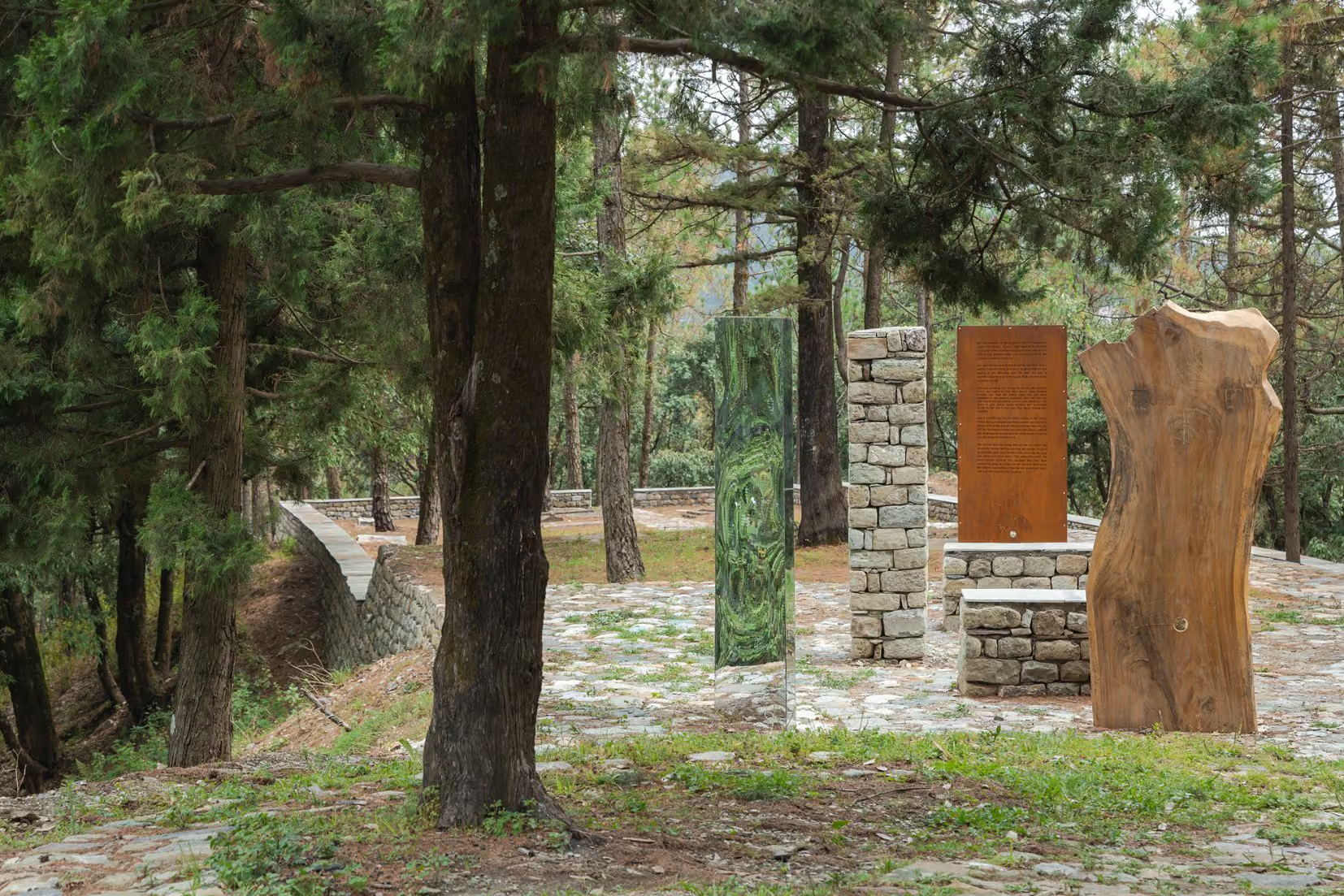
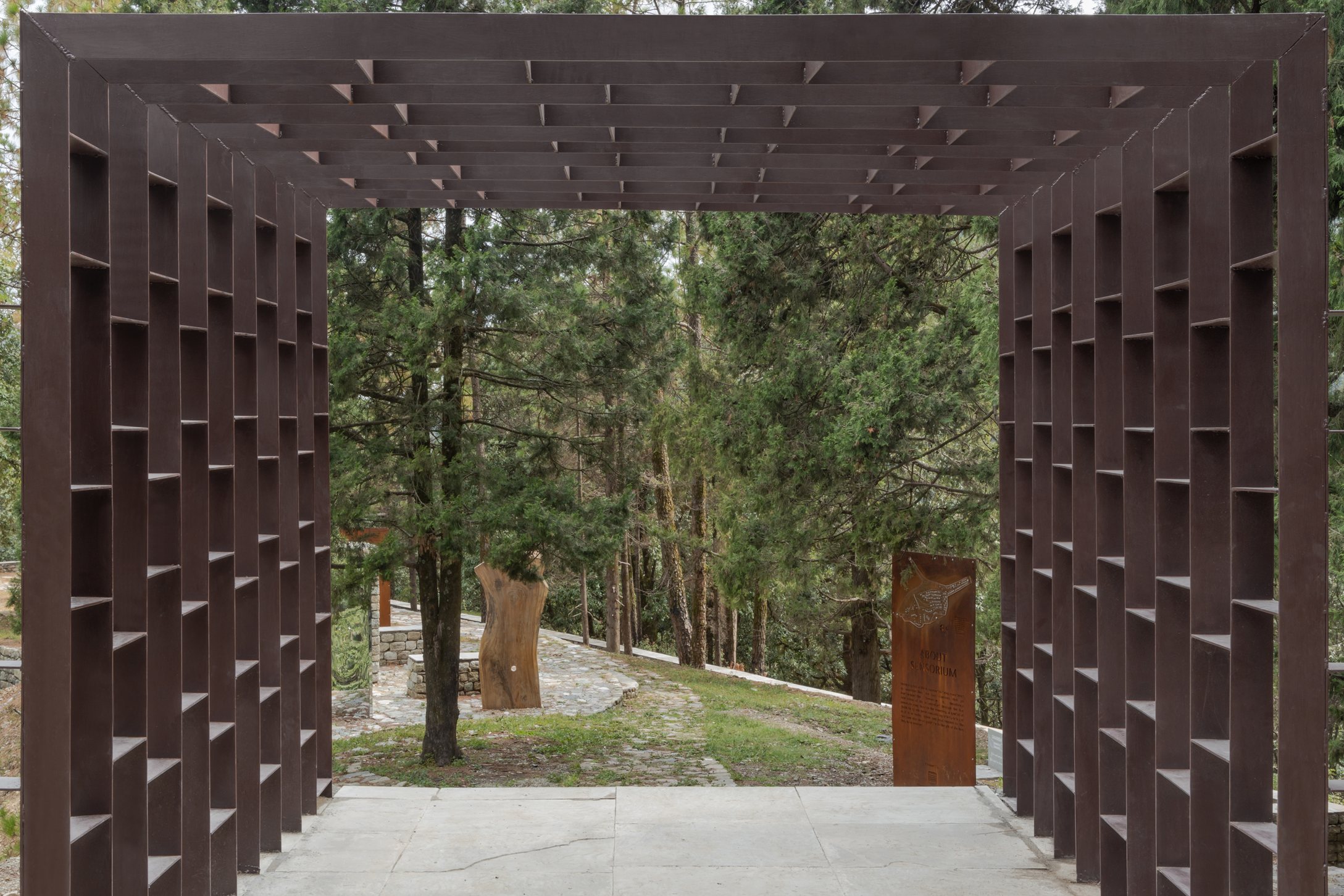
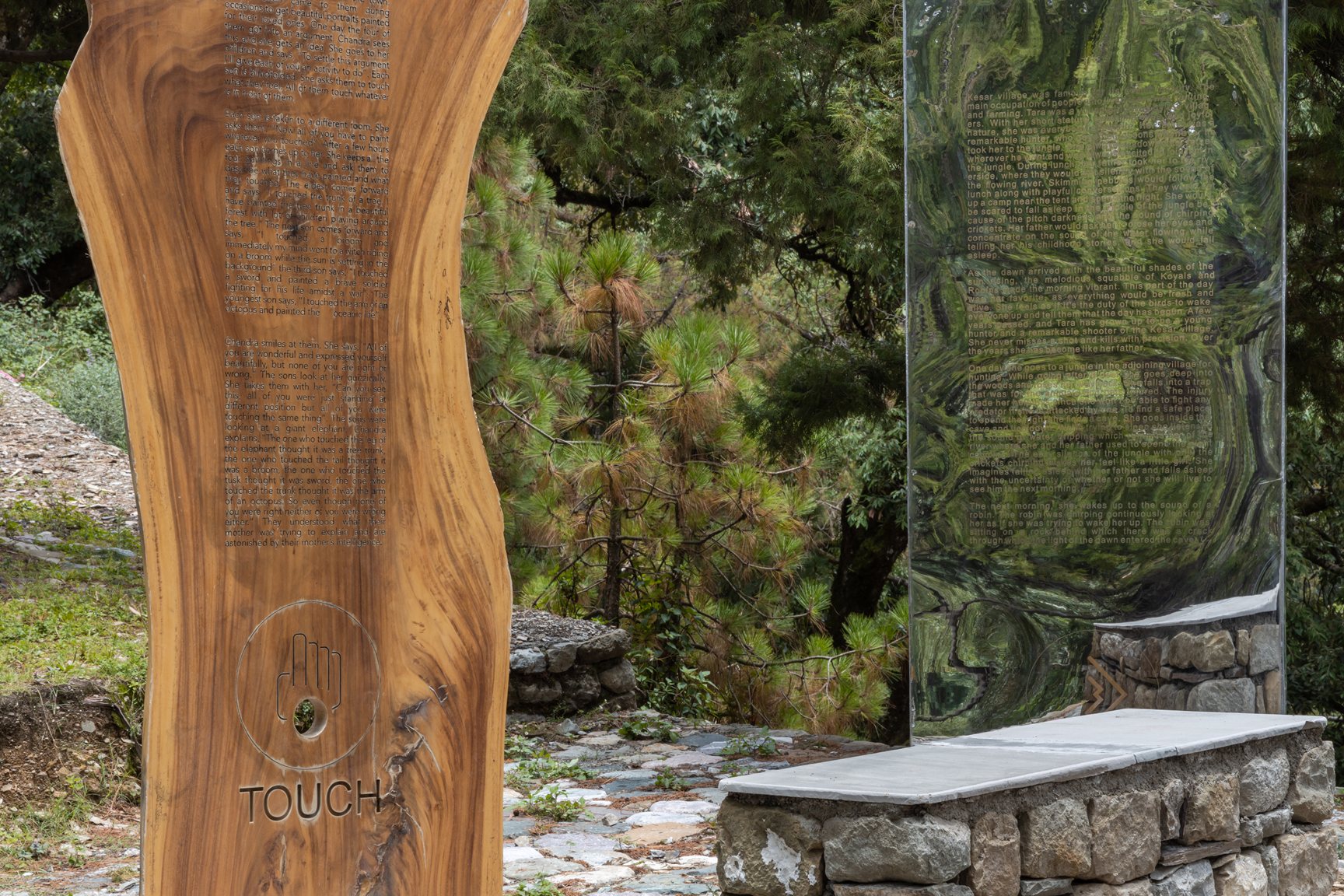
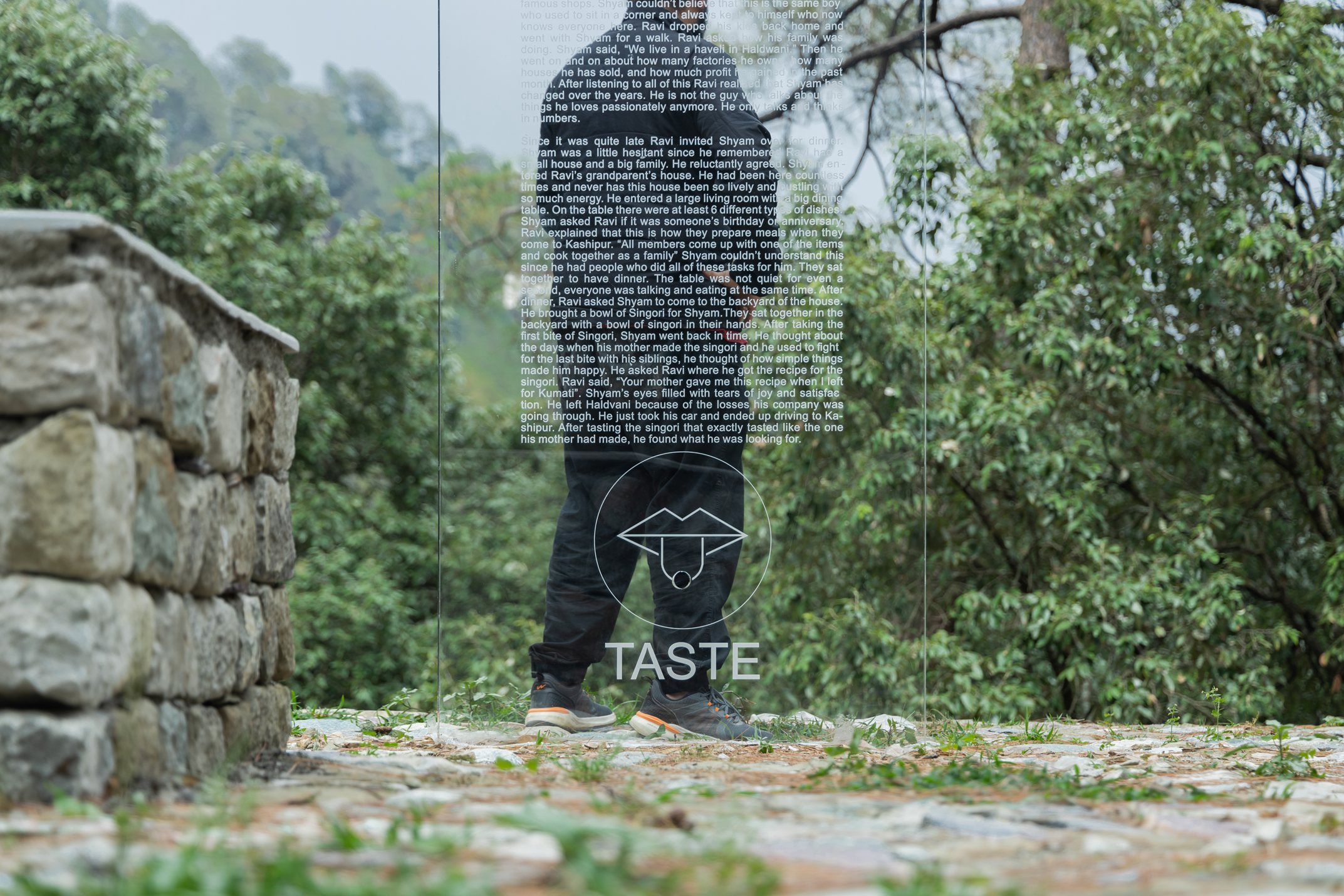
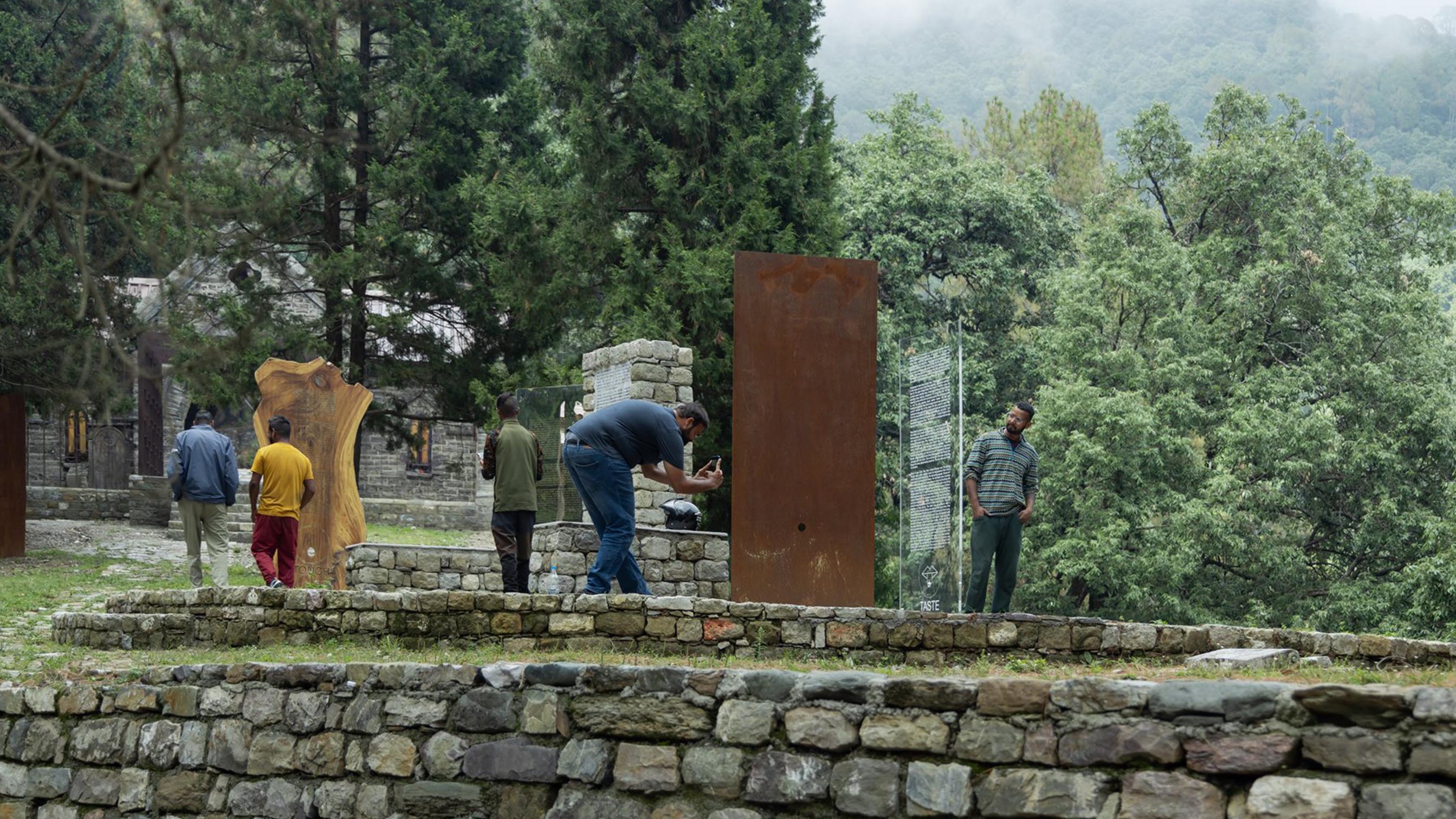
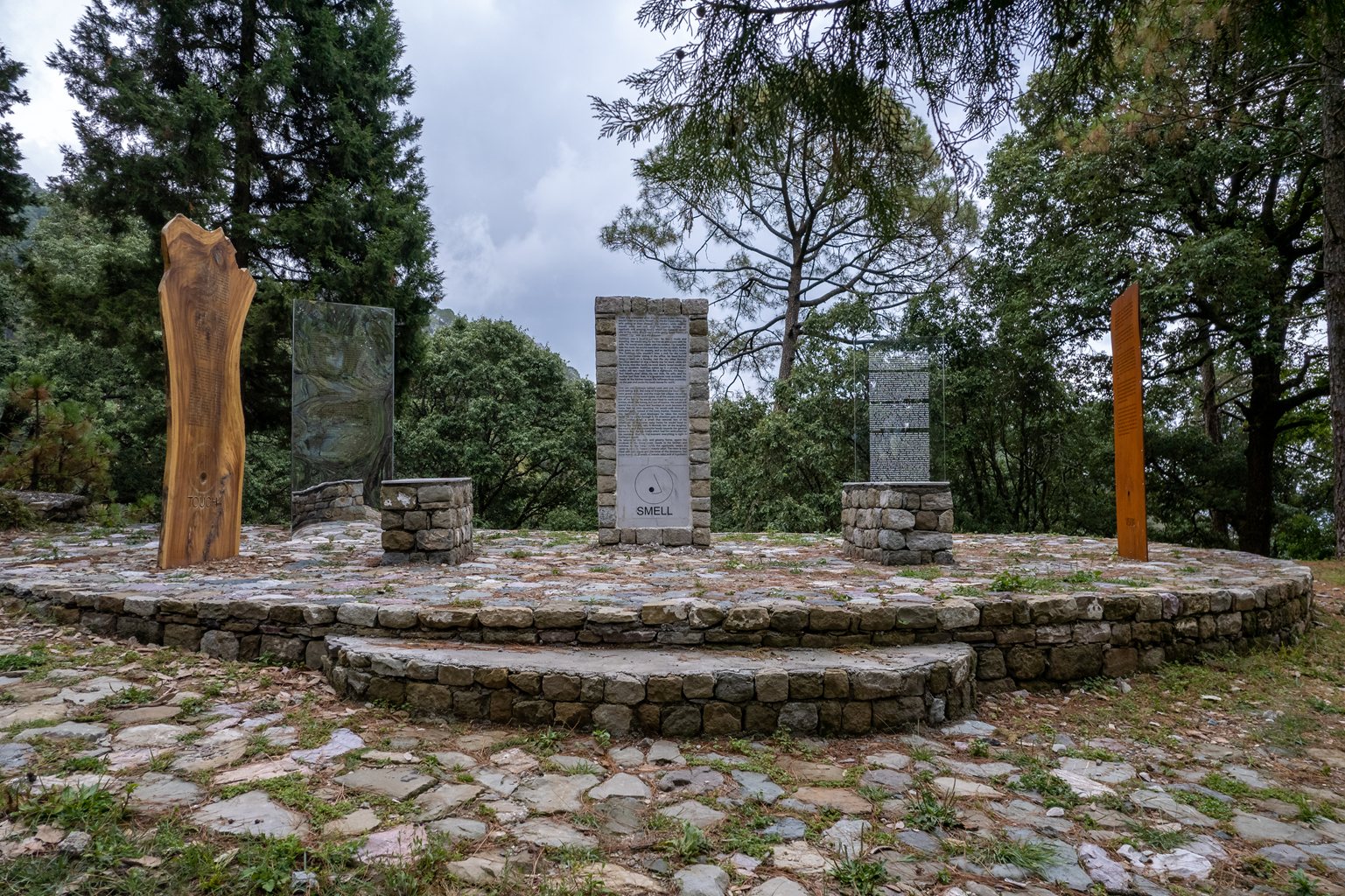
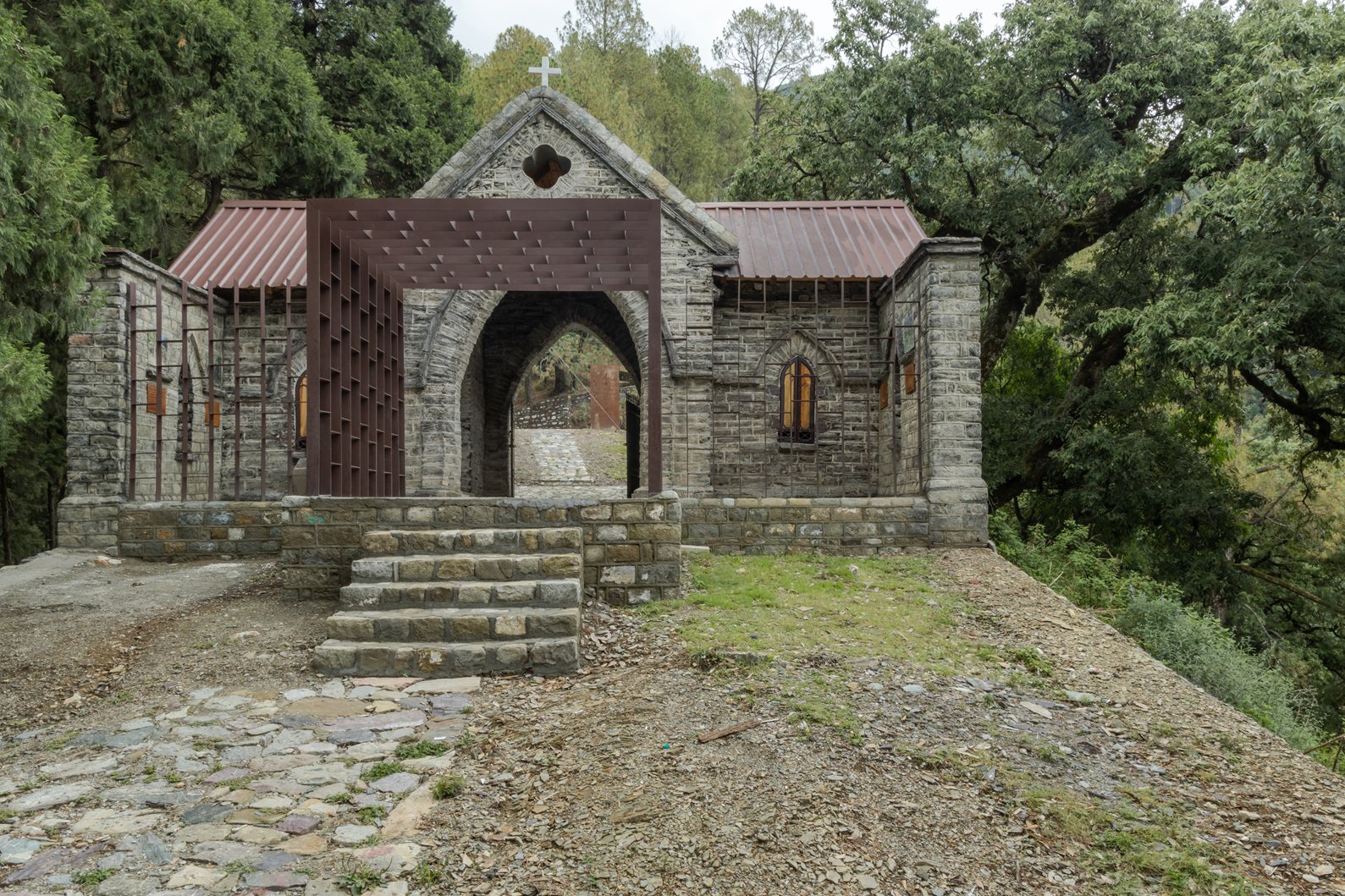
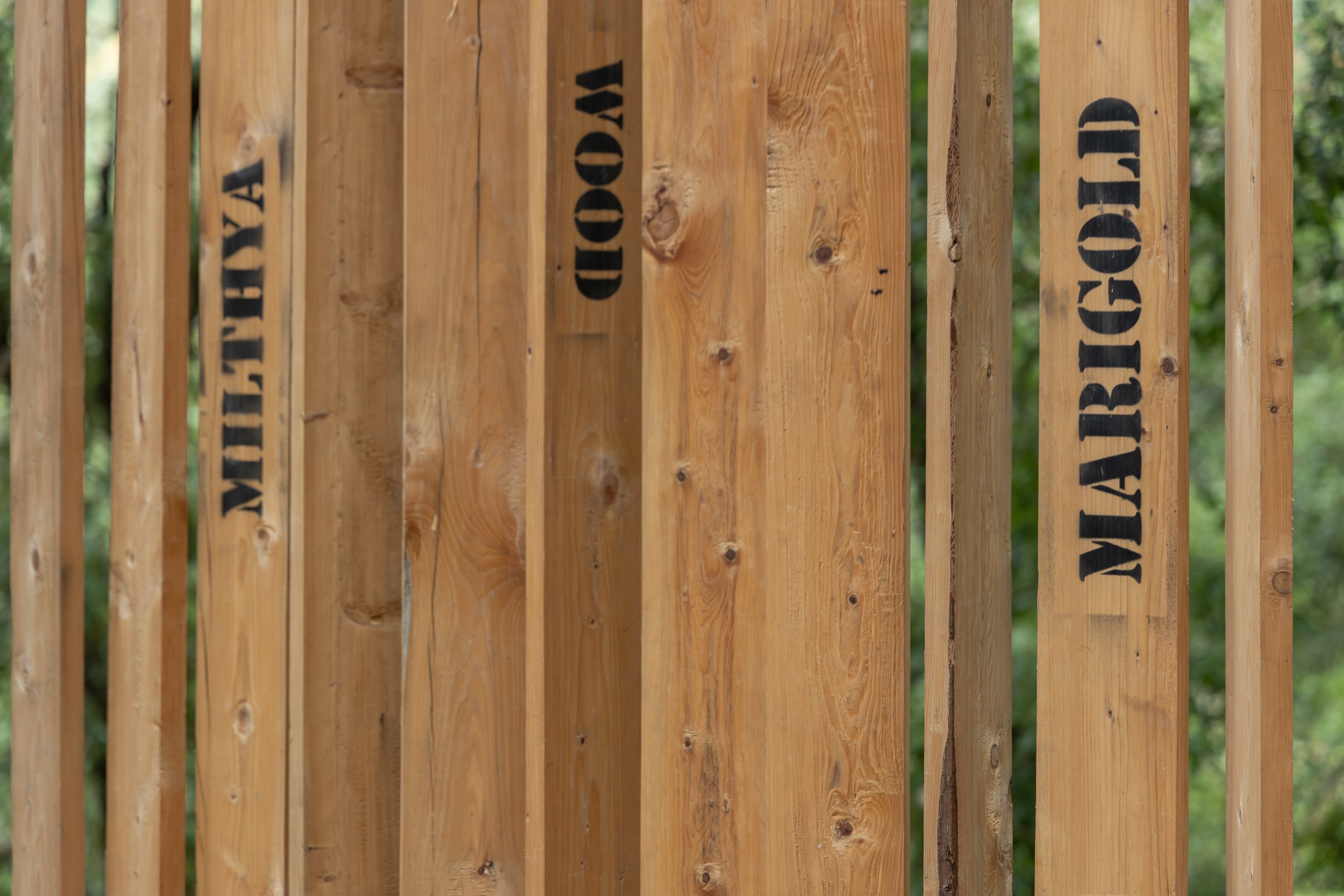
The concept of Sensorium unfolds through five human senses, introduced at the entrance by a Stonehenge-inspired arrangement of five vertical signage elements. Each installation carries a fictional and a comical story rooted in Himalayan life, narrating an experience associated with a particular sense. Crafted from the materials used in the project including stone, corten steel, wood, acrylic and mirror, these elements transform conventional wayfinding into storytelling. Rather than prescribing a historical interpretation, the narratives invite curiosity, imagination and personal discovery creating a playful introduction to an otherwise contemplative landscape.
FIVE SENSES, ONE JOURNEY
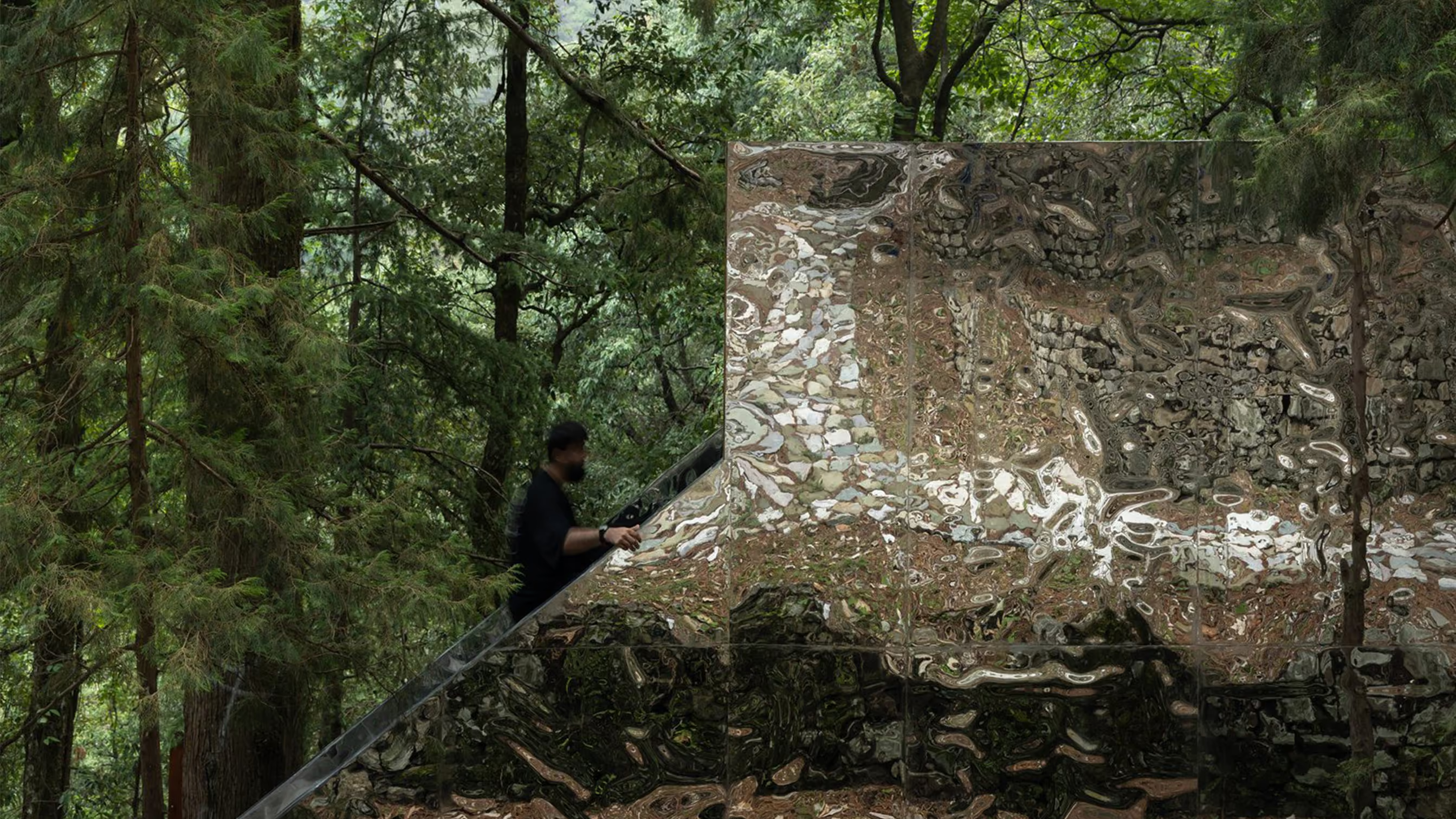
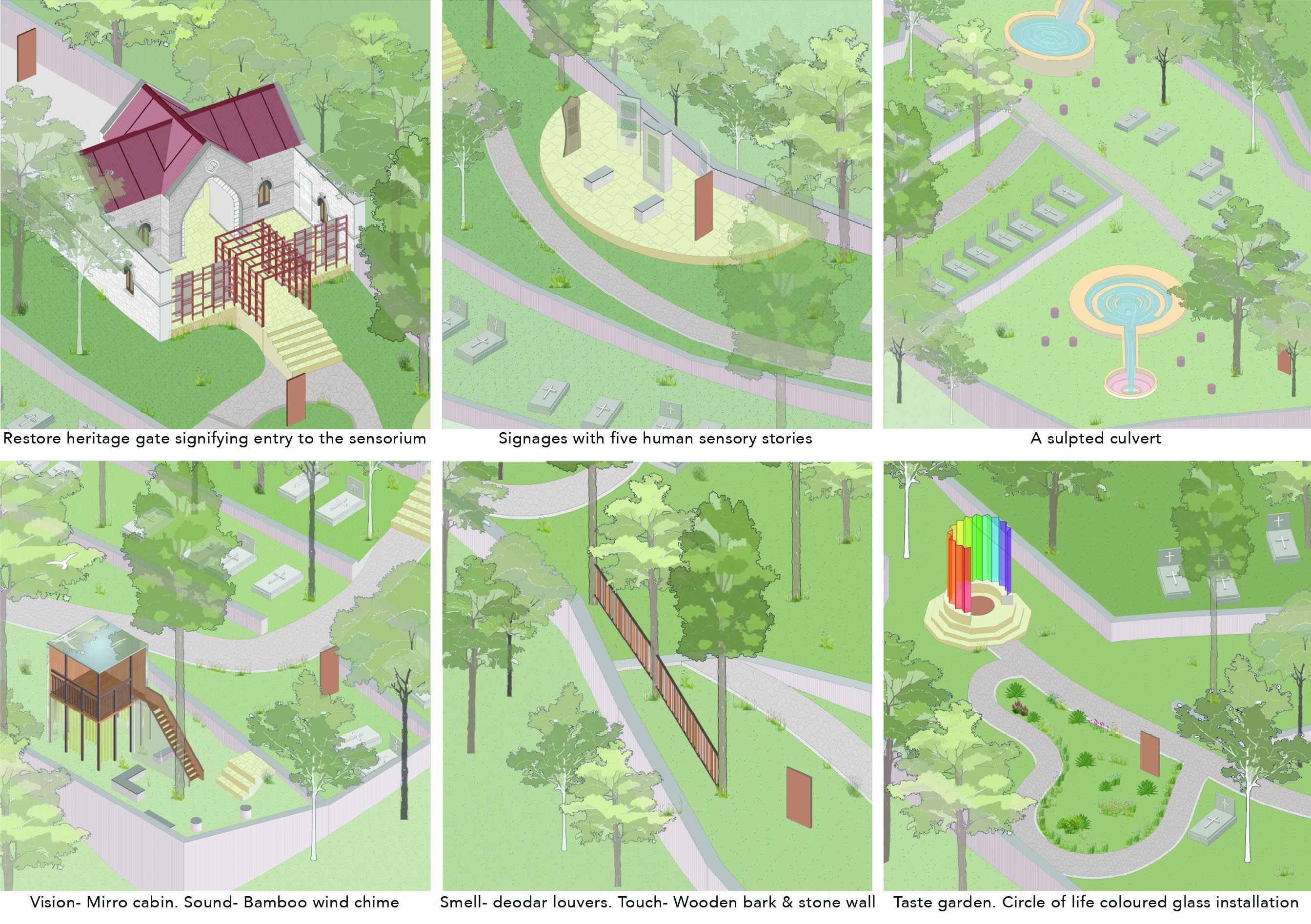
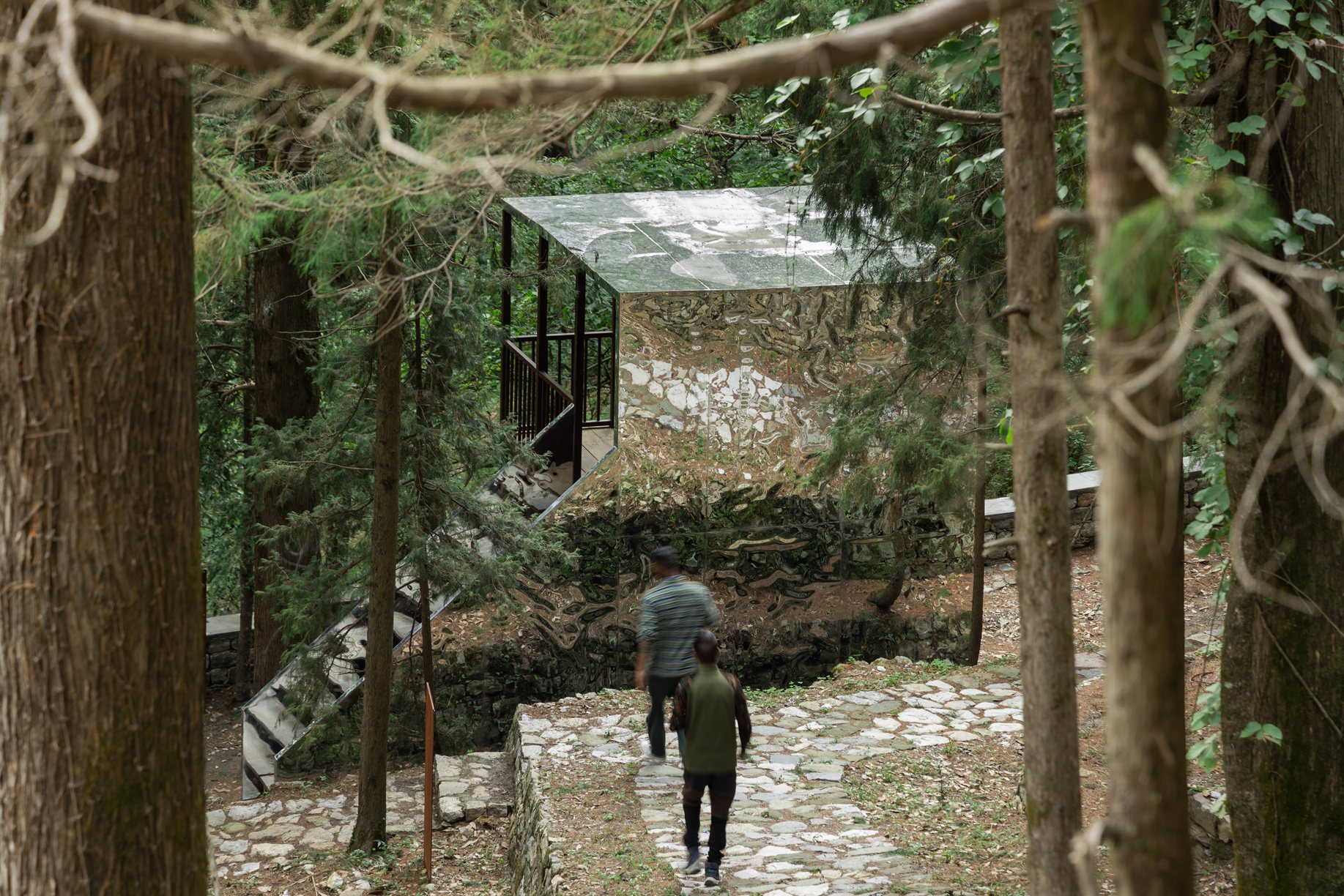
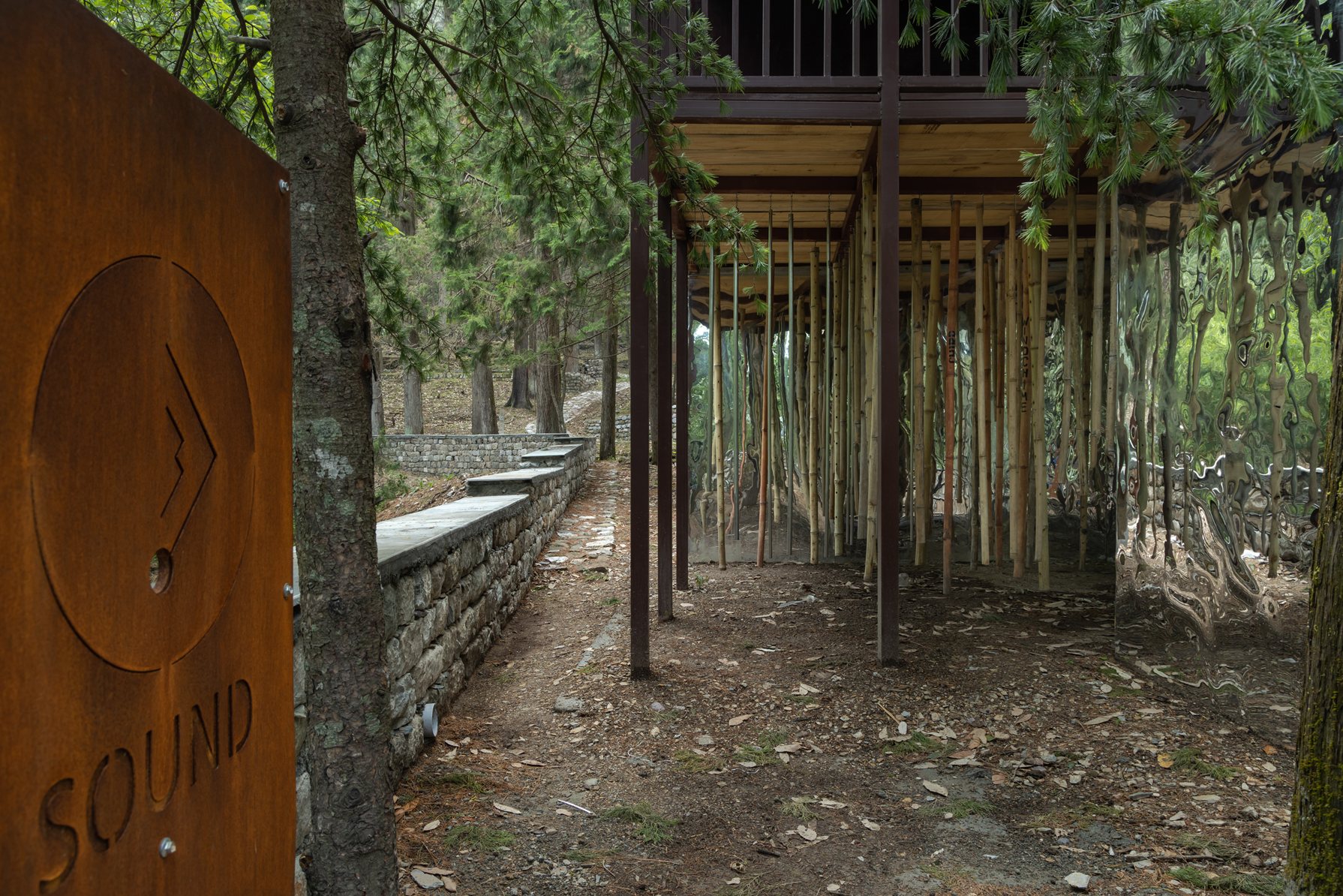
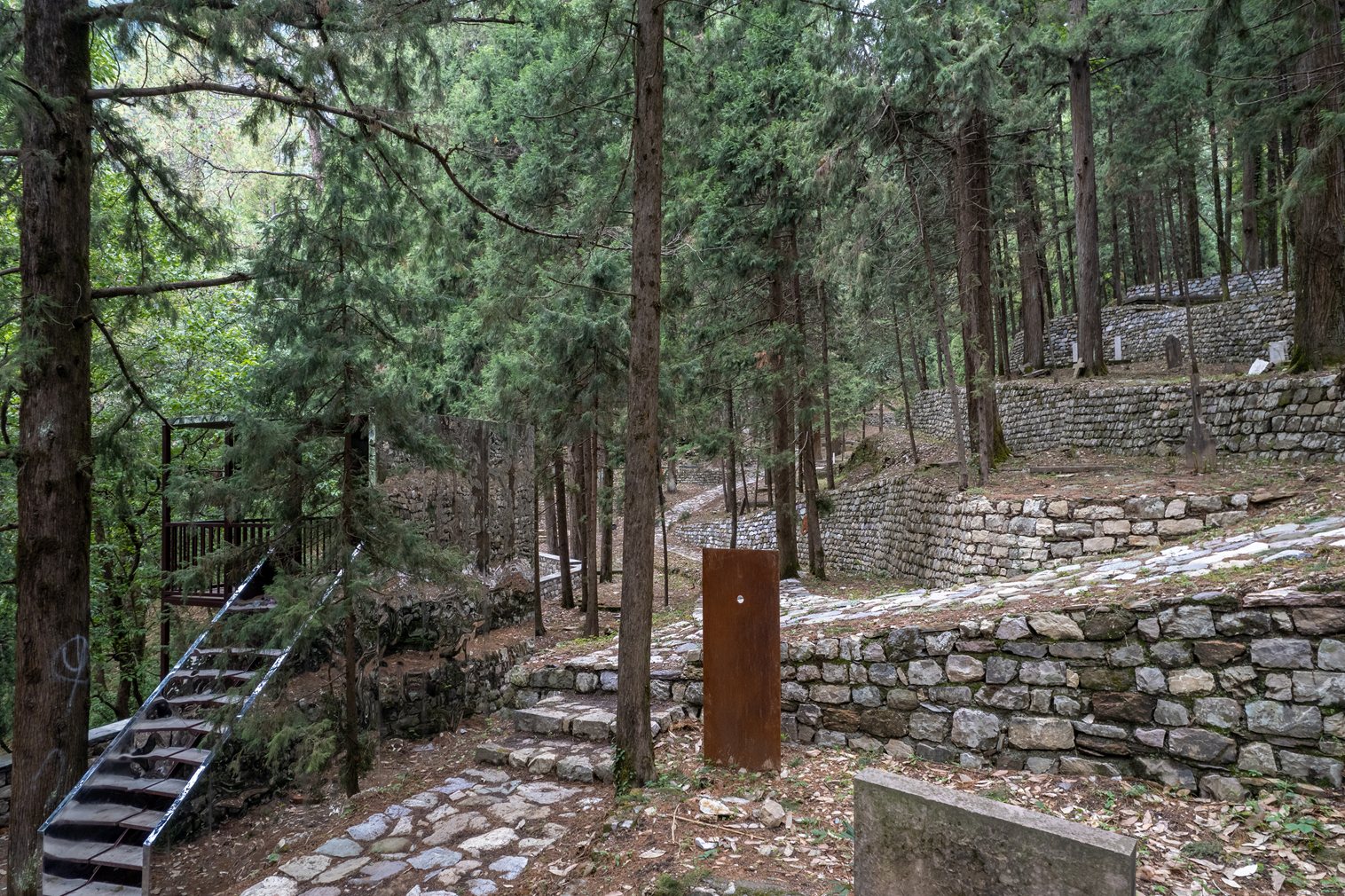
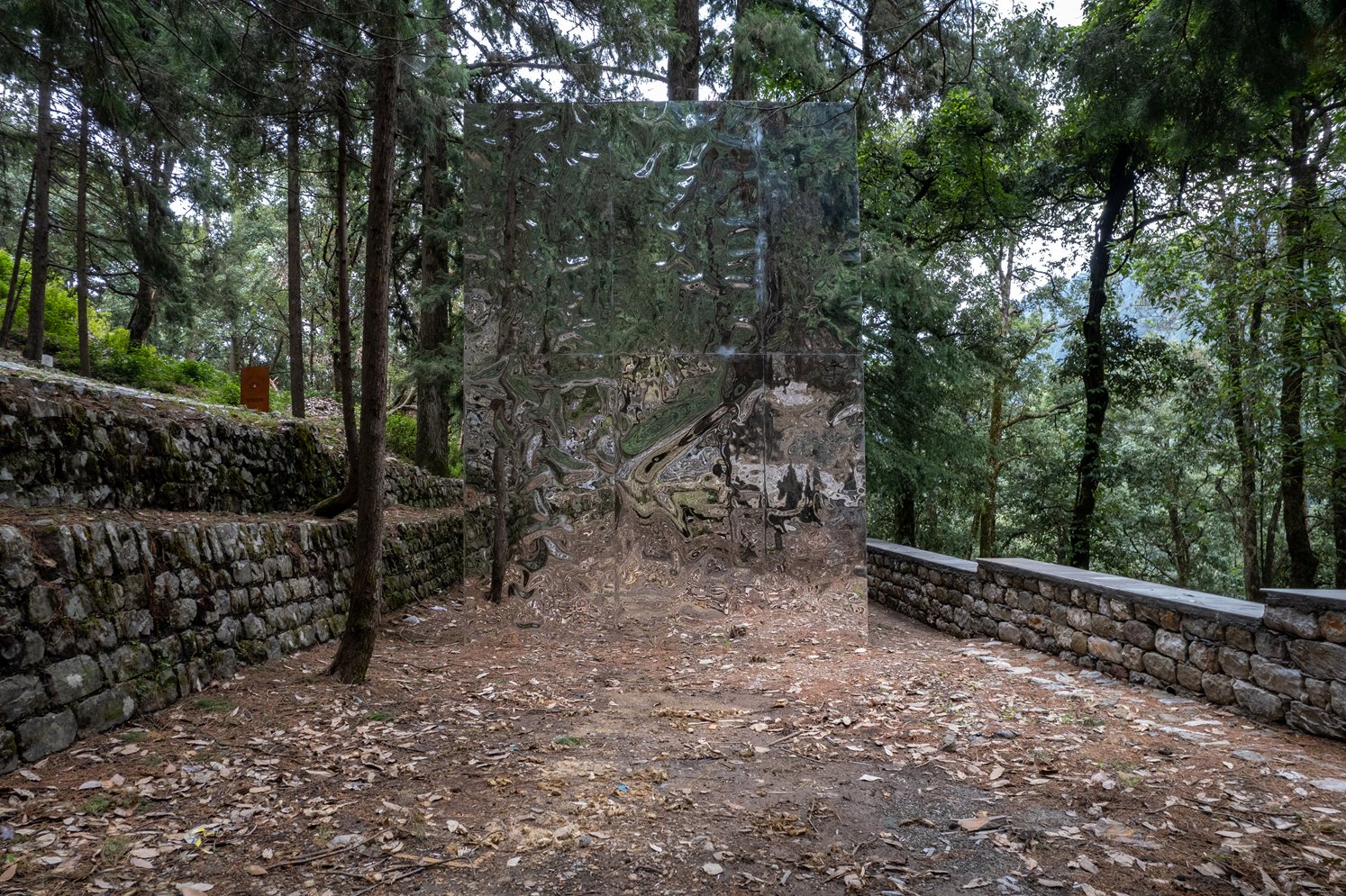
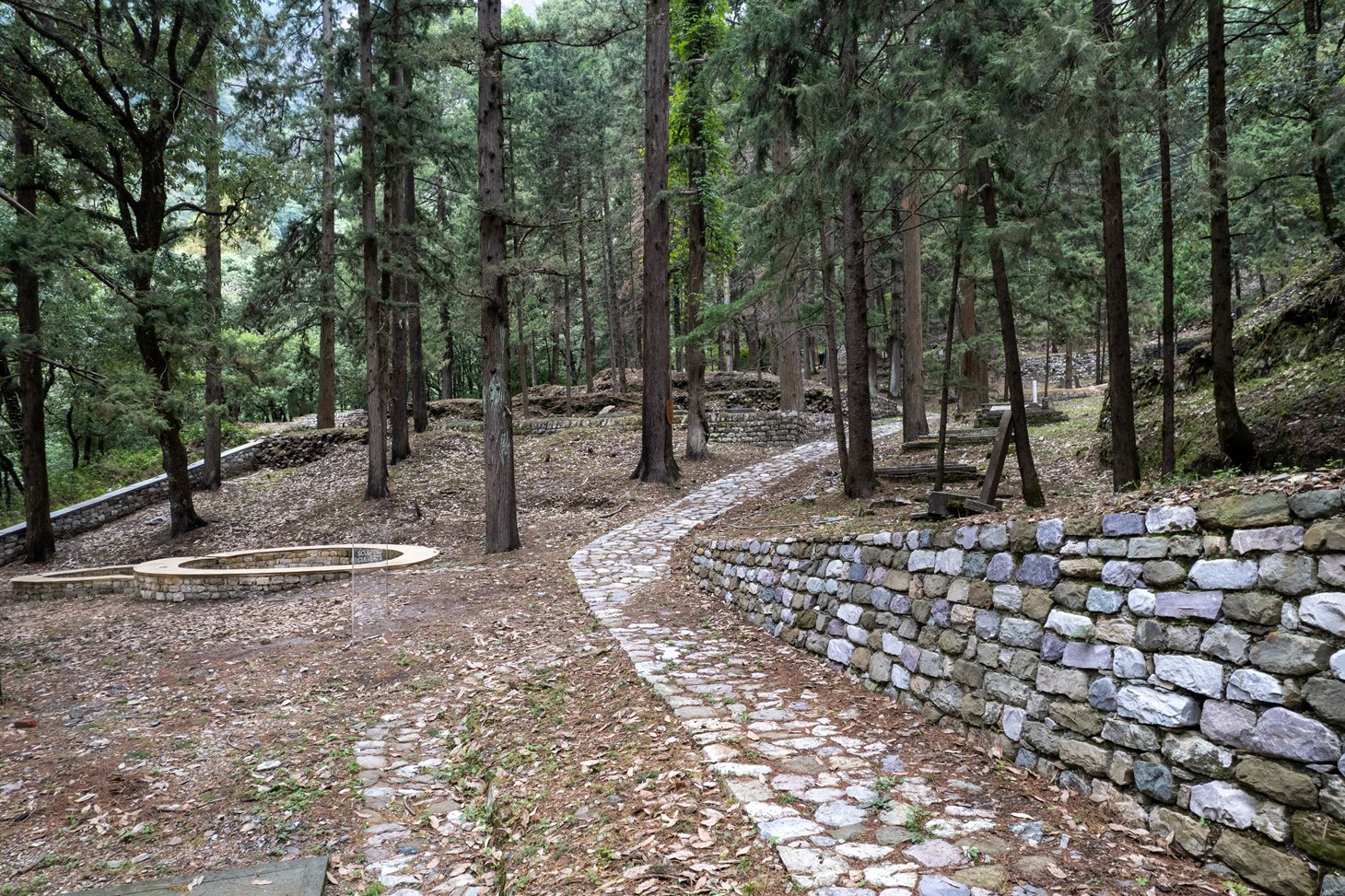
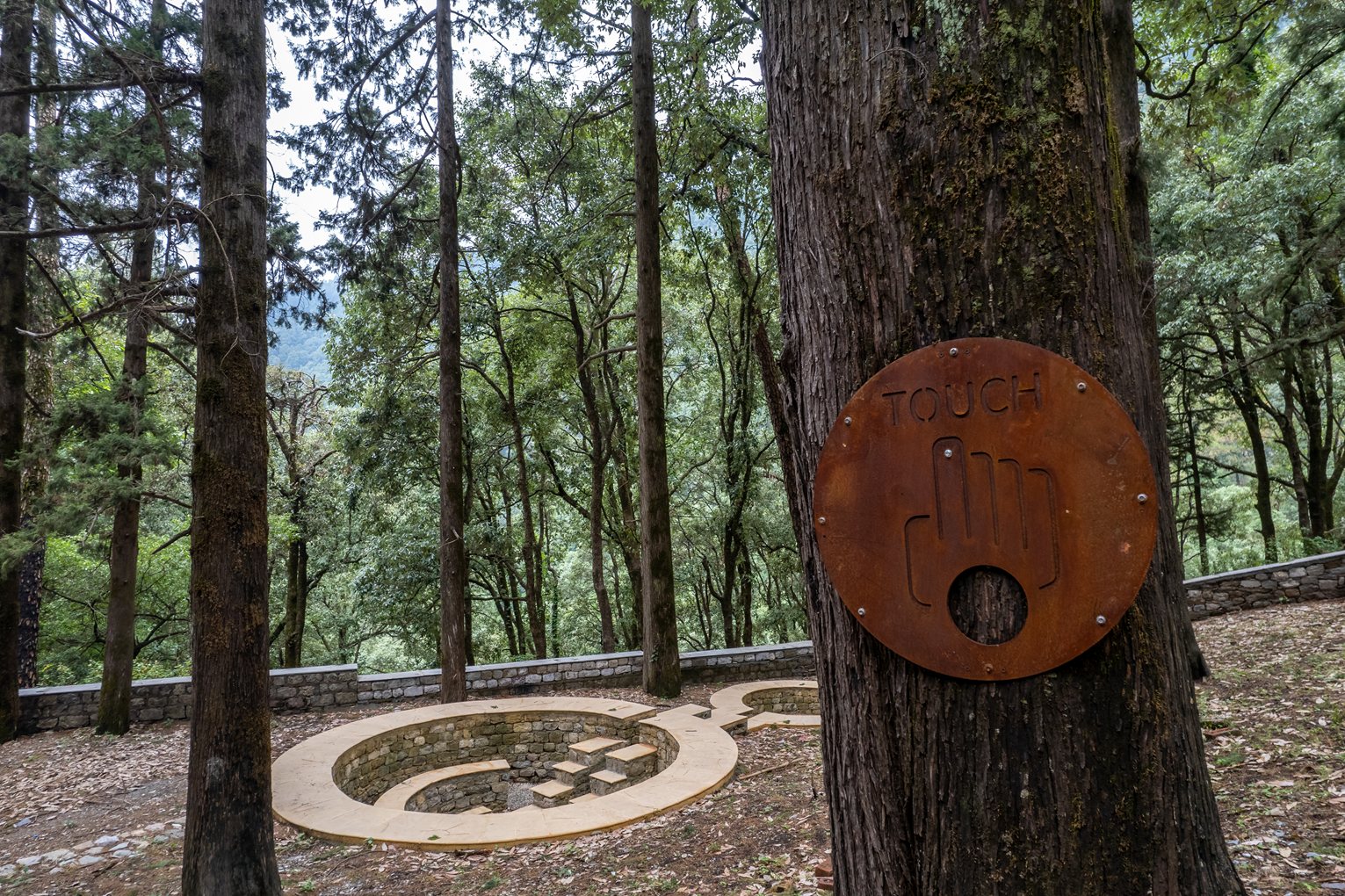
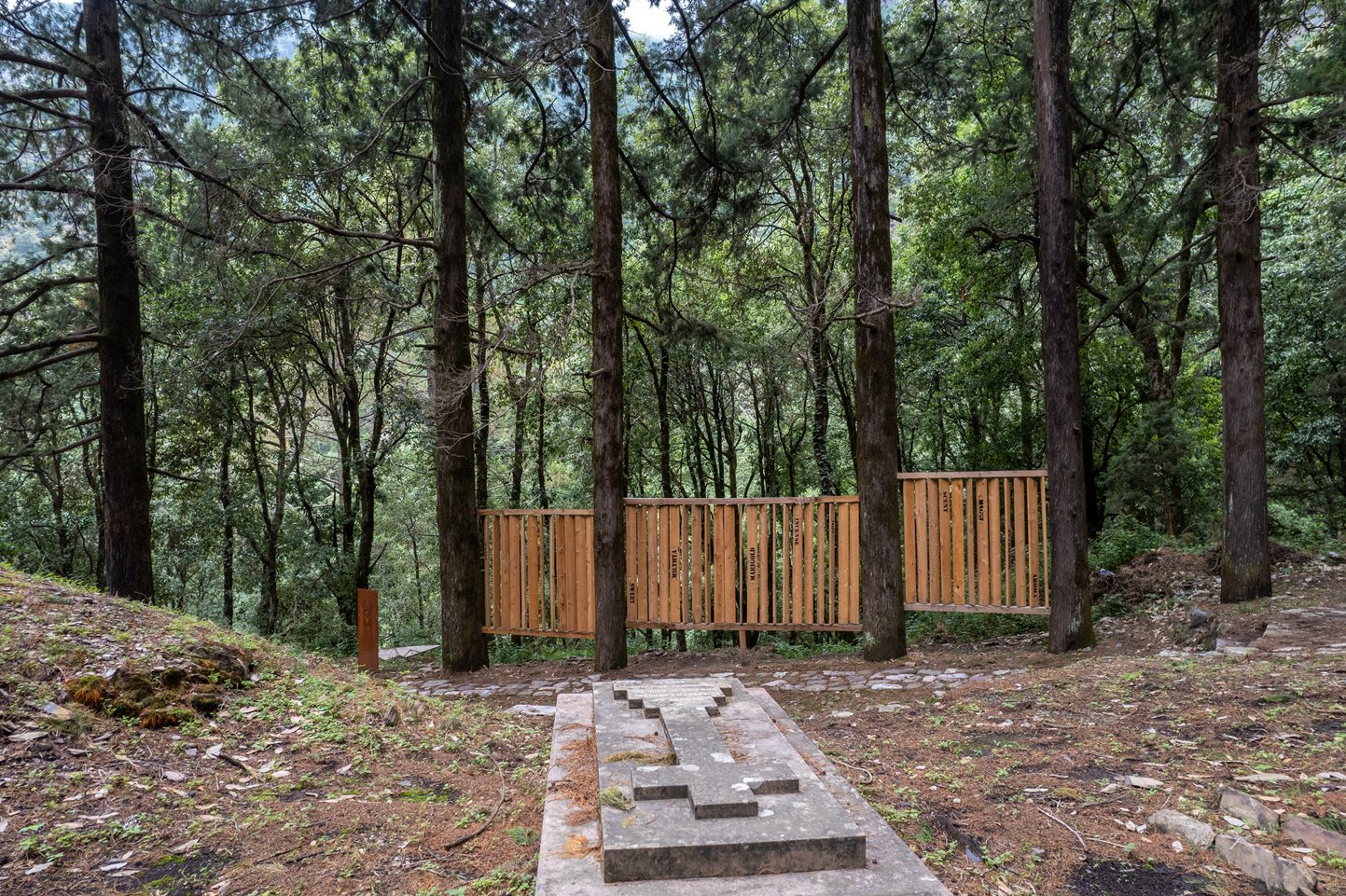
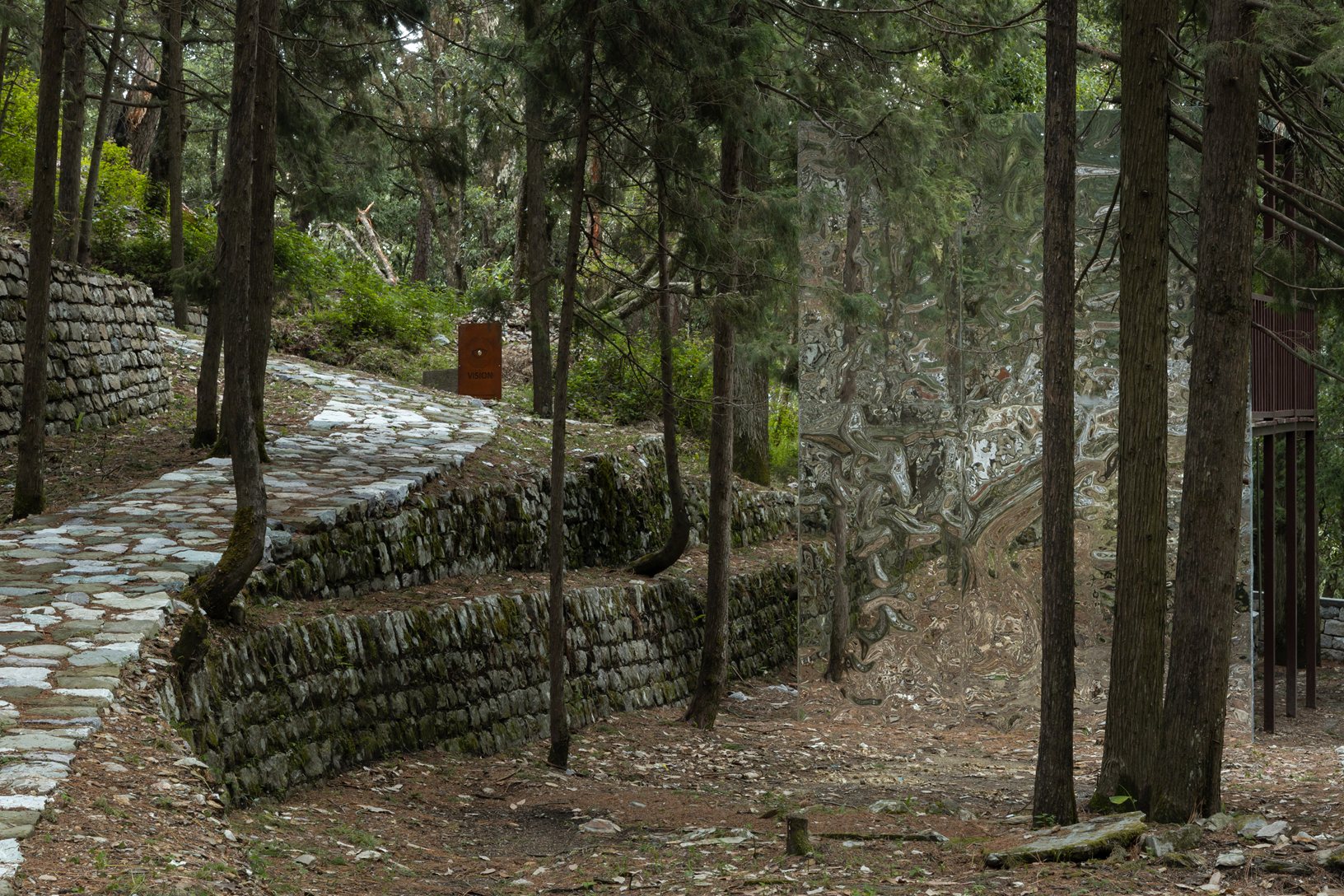
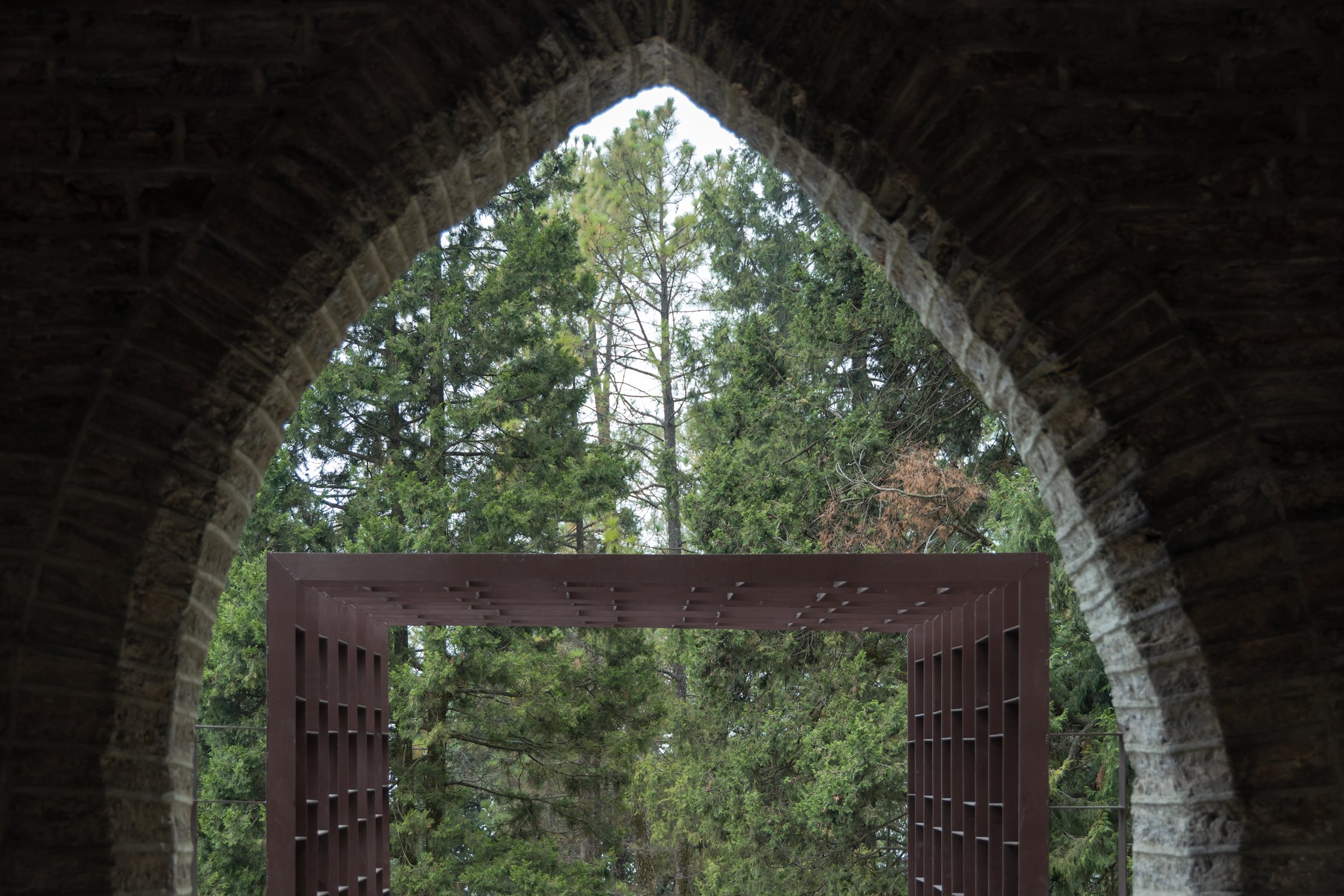
reflects the forest creating an illusion of disappearance and engaging sight. Human-scale bamboo wind chime responds to the breeze introducing sound, while fragrant deodar wood louvers activate smell. Textured stone pathways and tree bark invite touch and an edible garden of fruits and berries evokes taste. Each intervention is deliberately subtle, allowing the sensory experience to emerge from the natural environment rather than overpower it. Together, they transform an ordinary walk into an immersive exploration of being alive.
THE CIRCLE OF LIFE
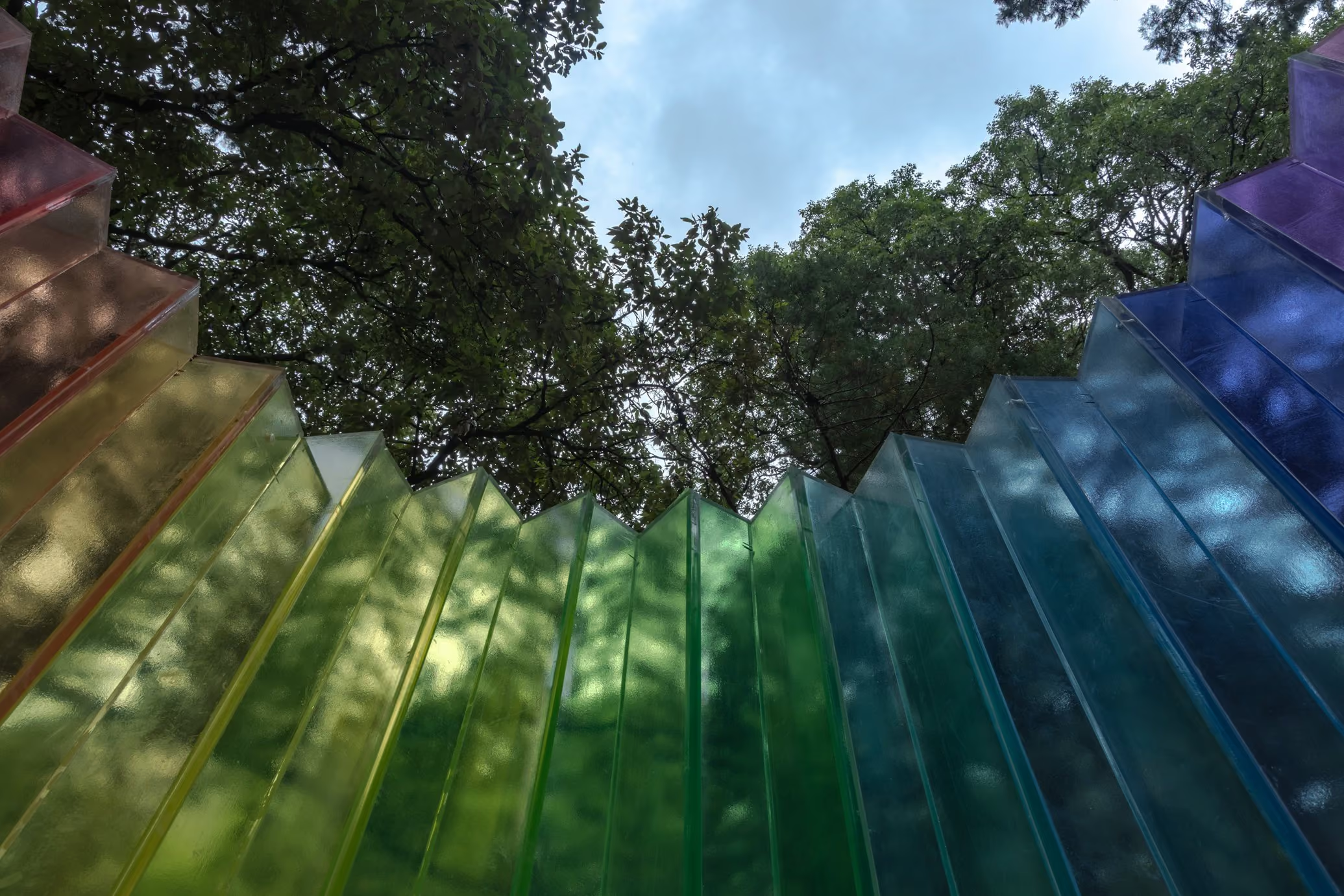
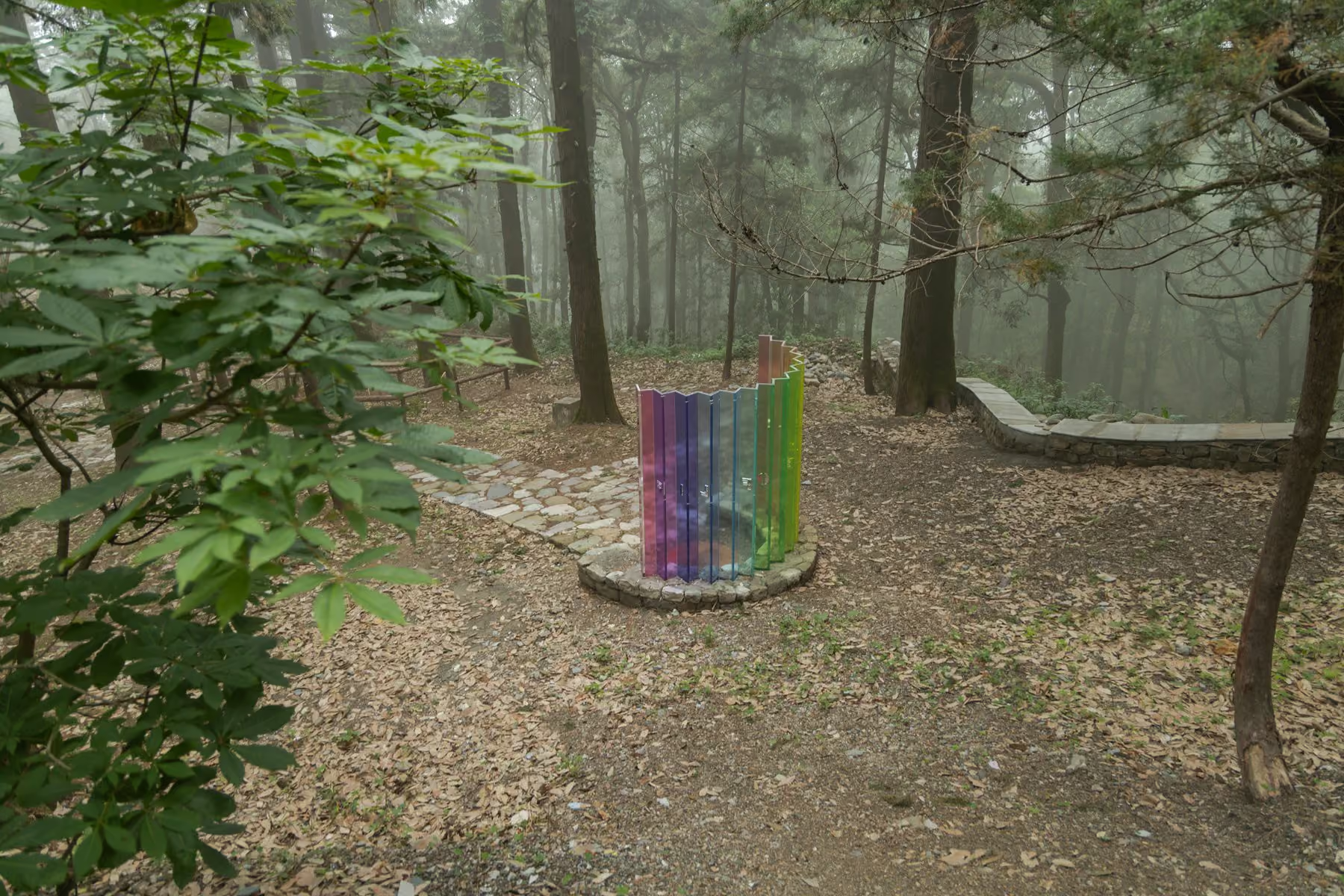
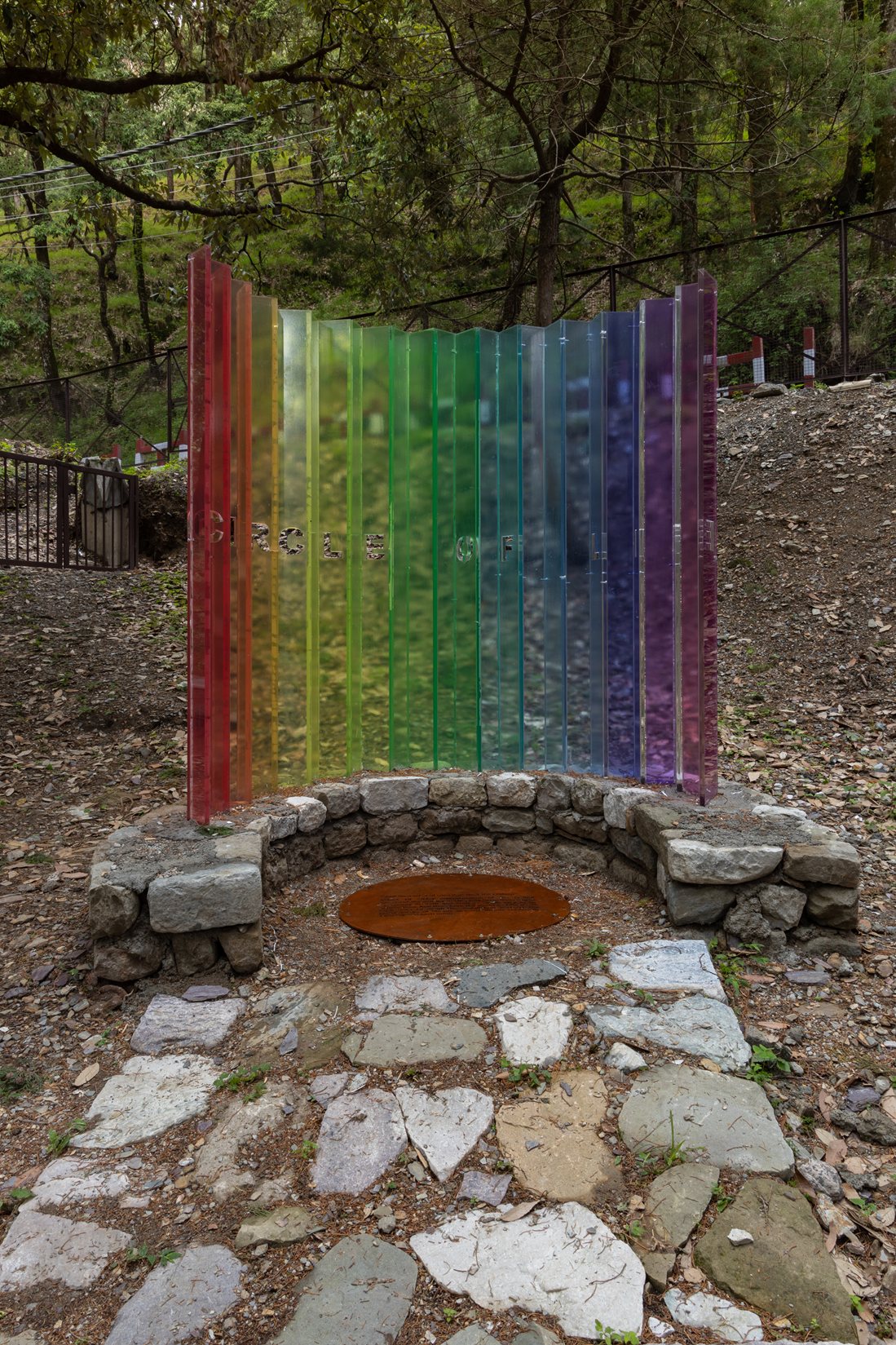
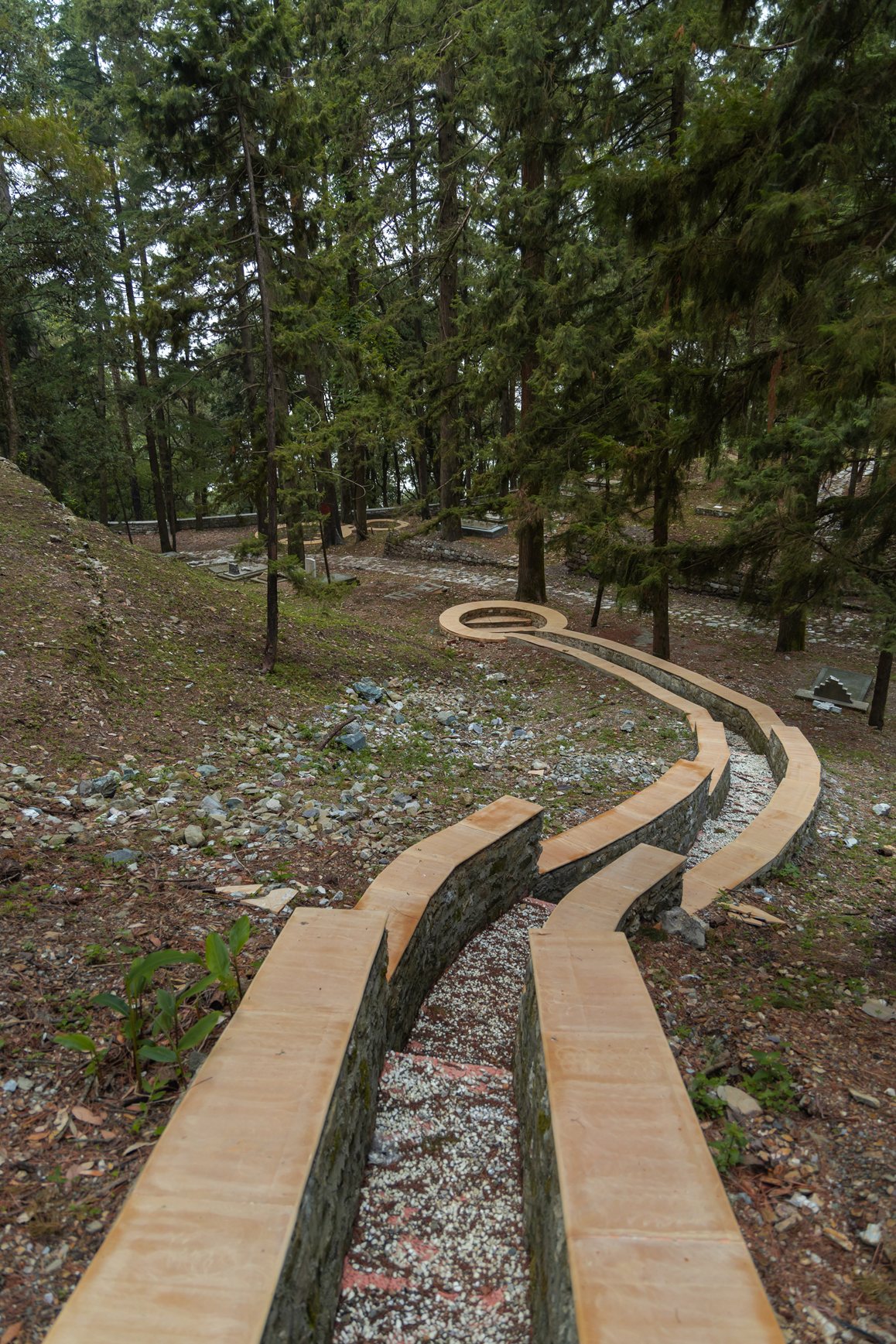
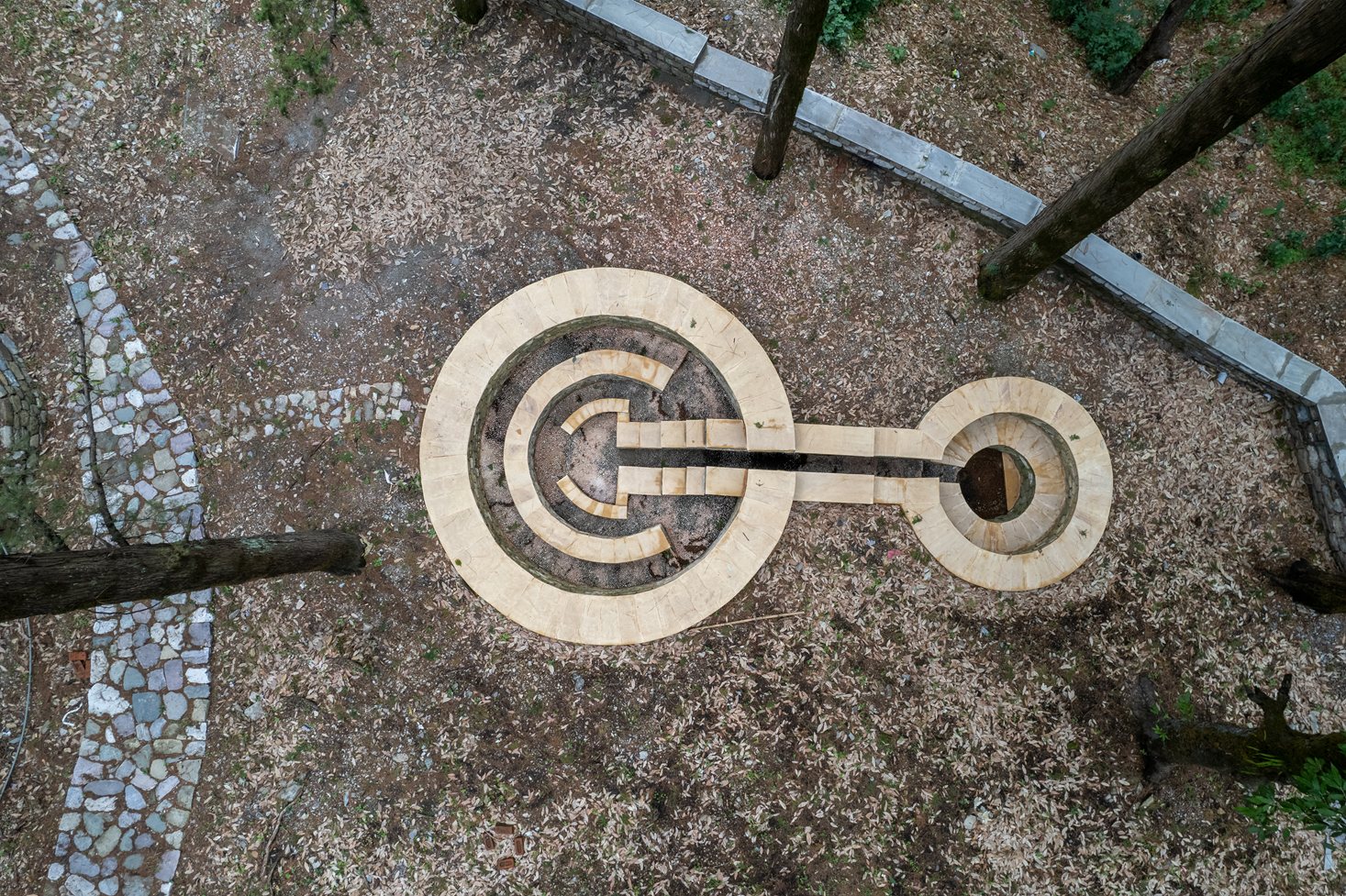
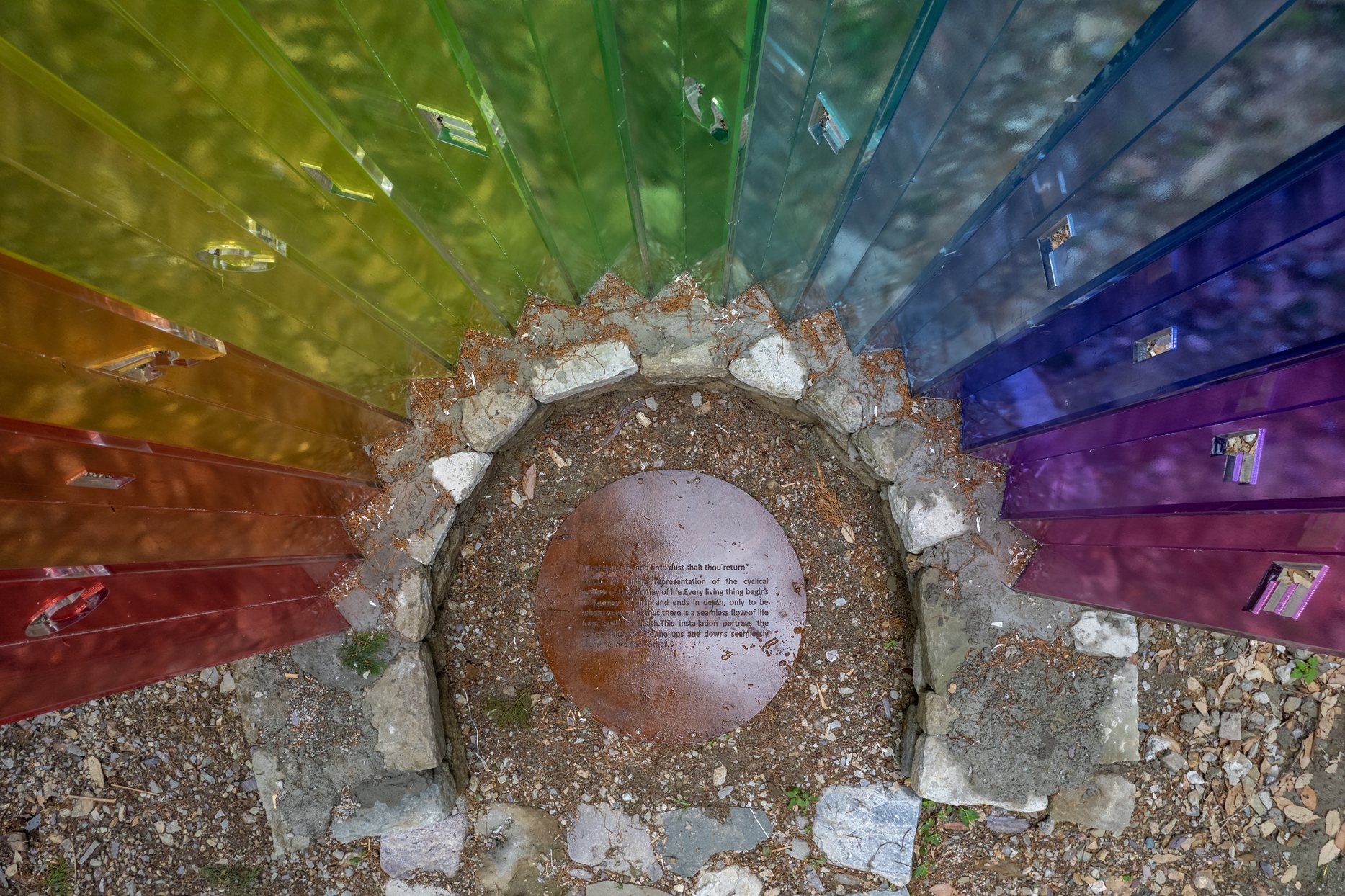
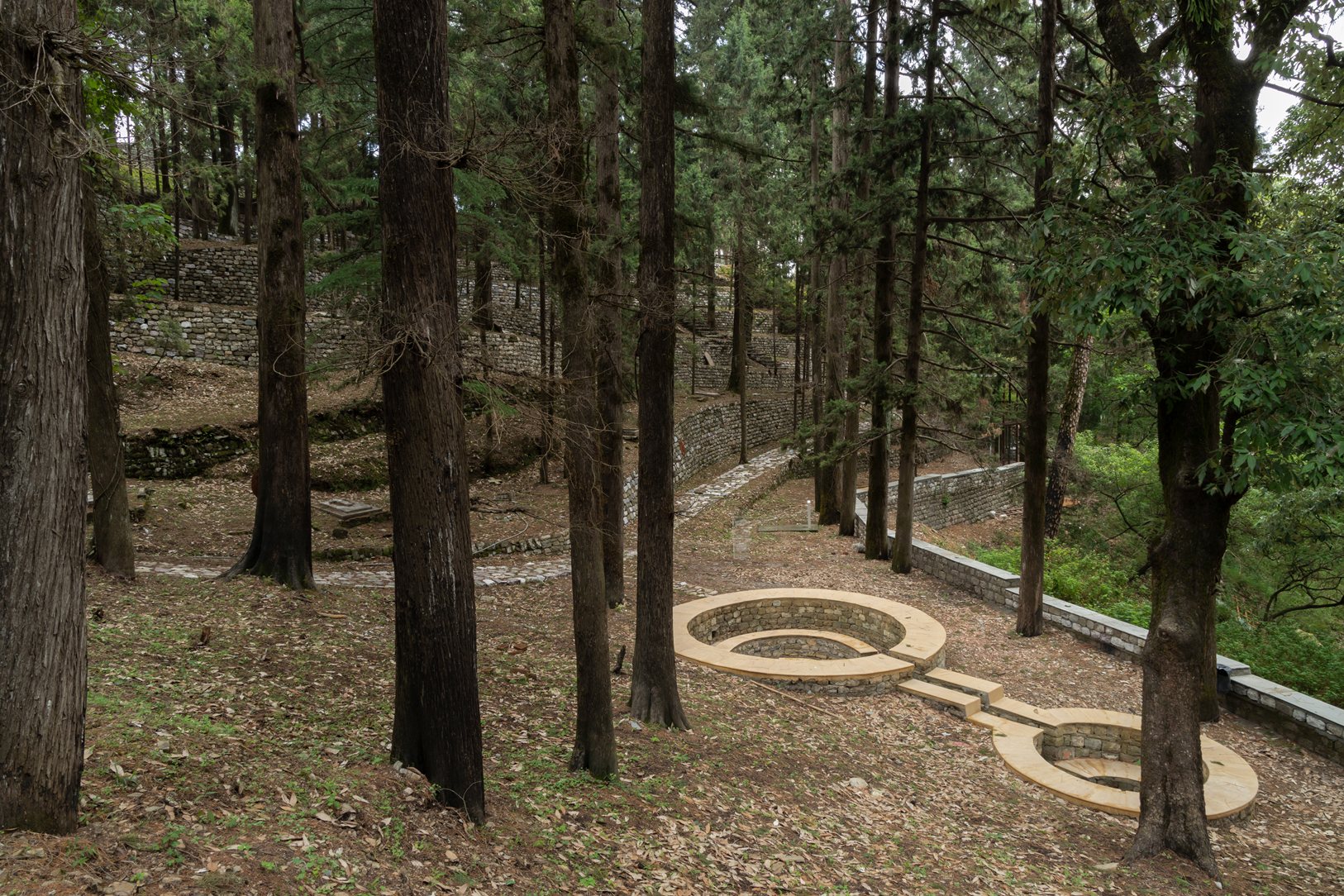
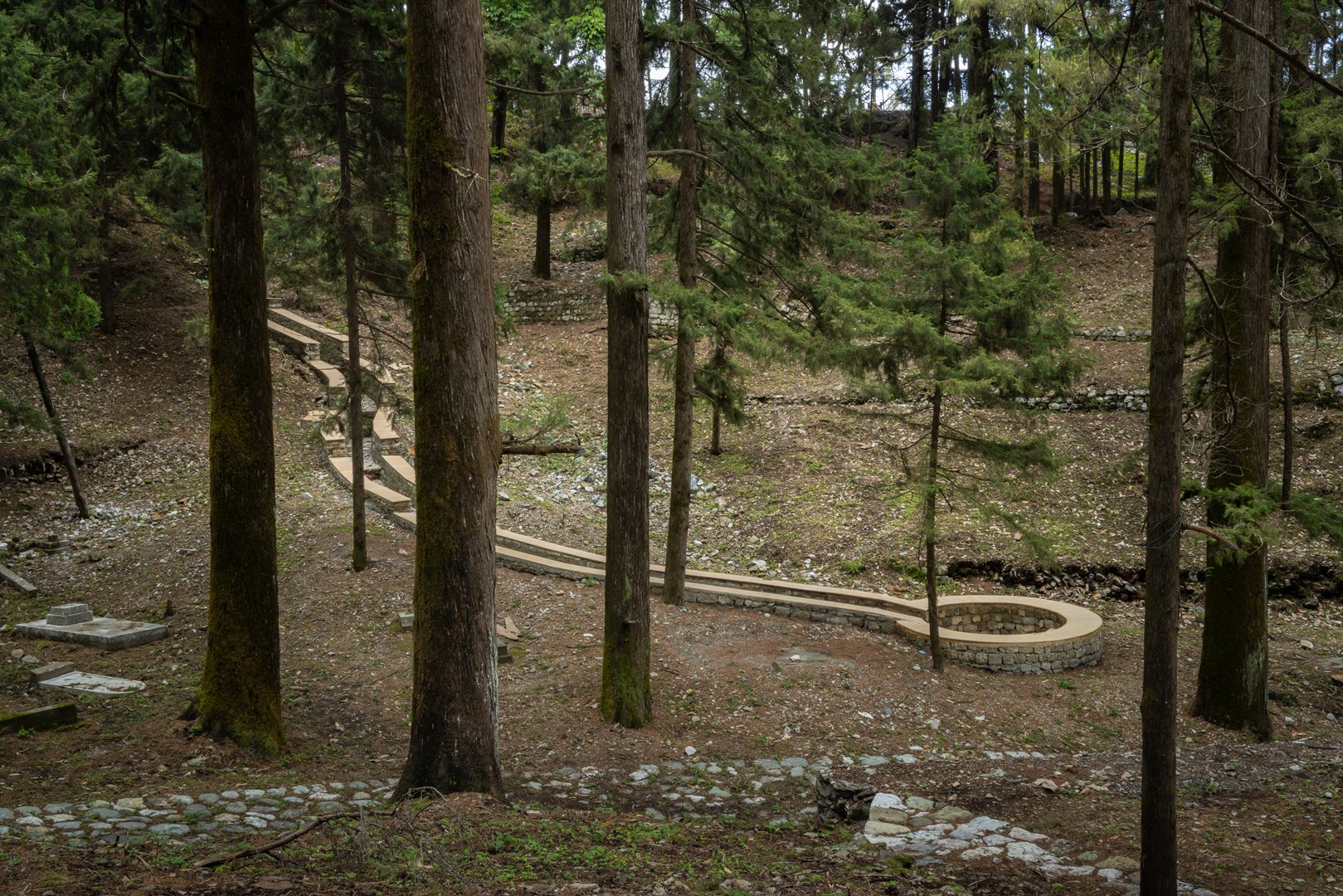
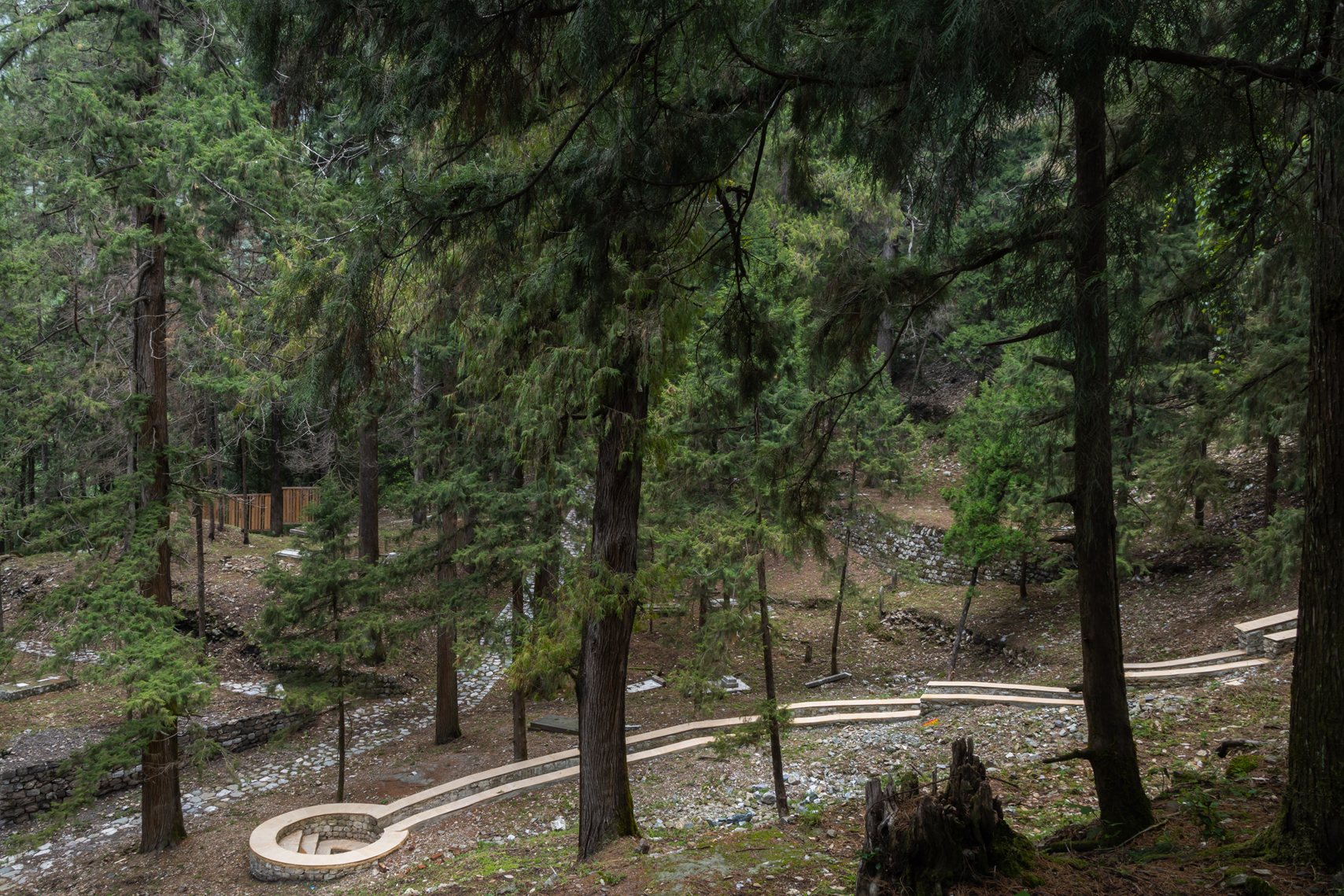
The journey culminates in moments of stillness and reflection. Sculpted stone culverts integrated into the natural terrain create intimate spaces for sitting, contemplating and reconnecting with oneself. A circular installation of translucent coloured panels introduces a final encounter with light and colour, symbolising the continuous cycle of life, death and renewal. What begins as a journey through a place of mourning concludes as a celebration of existence. Sensorium thus becomes more than a restored cemetery to a landscape of solace where memories endure, life continues and the two coexist.





Design team: Monik, Shivani, Anuya
Photography: The Space Tracing Company
Contractor: Chandanji & Co.